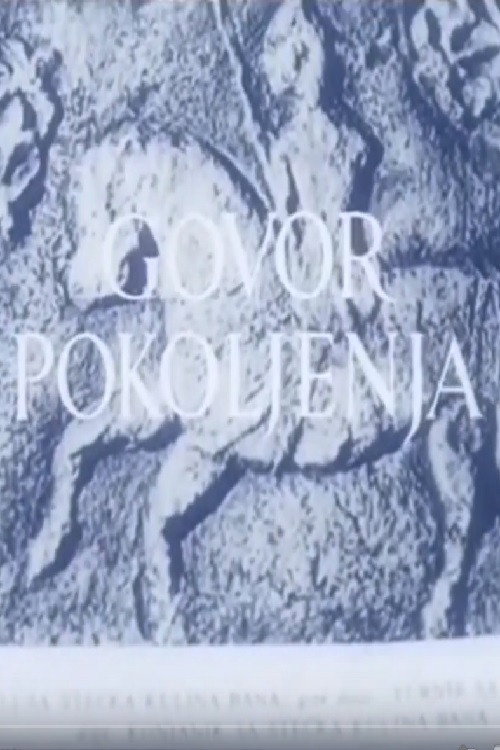
The Voice of a Generation 1957
Dive into the fascinating world of early post-war Yugoslavia with *The Voice of a Generation (1957)*, a concise yet powerful documentary directed by Rudolf Sremec.
Director: Rudolf Sremec
Frequently Asked Questions
What is The Voice of a Generation (1957) about?
This documentary explores the creation of the *Encyclopedia of Yugoslavia*, a landmark national project published in 1955. Directed by Miroslav Krleža, the encyclopedia aimed to archive Yugoslavia's rich cultural legacy, blending history, art, and tradition into a single volume.
Who directed The Voice of a Generation?
Rudolf Sremec directed *The Voice of a Generation (1957)*. Little is known about Sremec's broader filmography, but this documentary stands as a notable contribution to Yugoslav cultural history.
Who stars in The Voice of a Generation?
Director information is not available for the cast as this is a documentary focused on the *Encyclopedia of Yugoslavia*.
Is The Voice of a Generation (1957) worth watching?
While short and unrated, this documentary offers a rare glimpse into Yugoslavia's intellectual and cultural renaissance. Its historical significance and archival value make it a compelling watch for history enthusiasts and documentary lovers, even if it's not a mainstream breakout hit.
How long is The Voice of a Generation?
The runtime for *The Voice of a Generation (1957)* is 12 minutes.
About The Voice of a Generation (1957) — Documentary on Yugoslavia's Iconic Encyclopedia
Dive into the fascinating world of early post-war Yugoslavia with *The Voice of a Generation (1957)*, a concise yet powerful documentary directed by Rudolf Sremec. This 12-minute film shines a spotlight on the monumental "Encyclopedia of Yugoslavia," a groundbreaking cultural project spearheaded by literary giant Miroslav Krleža. Released just two years after the encyclopedia's debut, the documentary captures the essence of a nation rebuilding its identity through collective memory, art, and knowledge. With its archival footage and reflective tone, the film evokes a sense of nostalgia while offering a window into the intellectual and cultural ambitions of the era.
Sremec's documentary doesn't just document history—it breathes life into it, transforming a static reference work into a living testament to Yugoslavia's diverse heritage. Though brief, the film packs a punch, appealing to history buffs, documentary enthusiasts, and anyone intrigued by the intersection of culture and national identity. Its modest runtime belies its impact, making it a hidden gem for those who appreciate the power of storytelling through archives.