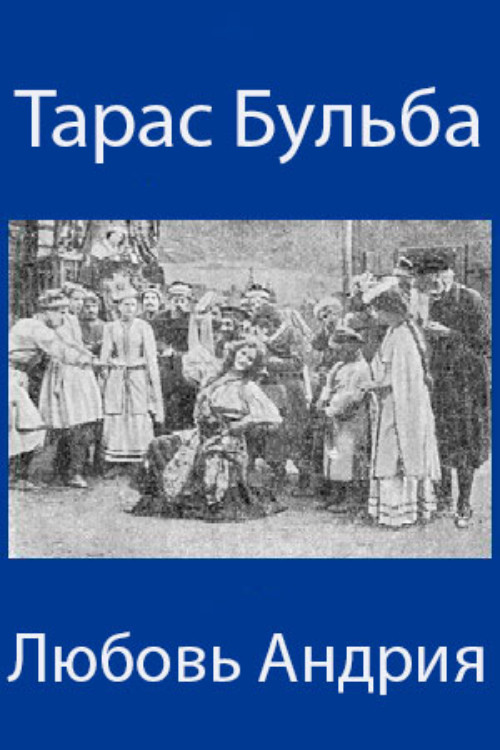
Taras Bulba 1909
Step back to the dawn of cinema with Taras Bulba (1909), a silent-era adaptation of Nikolai Gogol's epic Cossack tale that blends theatrical grandeur with early filmmaking's raw visual power.
Director: Aleksandr Drankov
Cast
Frequently Asked Questions
What is Taras Bulba (1909) about?
Taras Bulba (1909) brings Nikolai Gogol's legendary Cossack novel to life in a theatrical style, following the fiery patriarch Taras and his sons as they navigate war, betrayal, and deep family loyalty in 1600s Ukraine. The story pits personal bonds against the brutal realities of 17th-century conflict, with Taras leading his people against Polish invaders amid a landscape steeped in honor and vengeance. Though filmed as a play, its visual storytelling captures the epic spirit of Gogol's origina
Who directed Taras Bulba?
Taras Bulba was directed by Aleksandr Drankov, a pioneering figure in early Russian cinema known for experimenting with visual storytelling during the silent era.
Who stars in Taras Bulba?
The film features Anisim Suslov in the title role, alongside L. Manko and Chernevskaya, who bring the drama's central family tensions to life within the constraints of an early stage-to-screen adaptation.
Is Taras Bulba (1909) worth watching?
As a silent-era curiosity steeped in historical value, Taras Bulba (1909) offers more for scholars and silent film fans than modern audiences seeking polished drama. Its theatrical roots and primitive filmmaking techniques limit its entertainment value today, but it stands as an important artifact of early cinema and Gogol's enduring cultural legacy. If you're intrigued by the evolution of film adaptations, it's worth a glimpse—but don't expect cinematic perfection.
How long is Taras Bulba?
Runtime details are not listed for Taras Bulba (1909).
🎥 Trailer
Taras Bulba: Early Silent Film Adaptation — Full Movie Info
Step back to the dawn of cinema with Taras Bulba (1909), a silent-era adaptation of Nikolai Gogol's epic Cossack tale that blends theatrical grandeur with early filmmaking's raw visual power. Directed by Aleksandr Drankov, this historic drama immerses viewers in the rugged landscapes and fiery conflicts of 17th-century Ukraine, where loyalty, honor, and vengeance clash against a backdrop of sweeping plains and fortified cities. The film, essentially a filmed stage performance by the Ukrainian troupe of N. Sadovsky, captures the mythic scale of Gogol's story while highlighting the challenges early filmmakers faced in adapting classical literature to the screen. While not a flawless translation of high art into cinematic form, its preservation in Russia's Gosfilmofond underscores its cultural significance as a bridge between theater and cinema.
As one of the first screen versions of Taras Bulba, the 1909 film offers a glimpse into early 20th-century storytelling techniques and the global spread of Ukrainian culture through visual media. The atmosphere is thick with dramatic tension, as familial bonds and national pride are tested by war and betrayal. Though modest by later standards, its historical value makes it a fascinating watch for silent film enthusiasts and fans of historical epics alike.