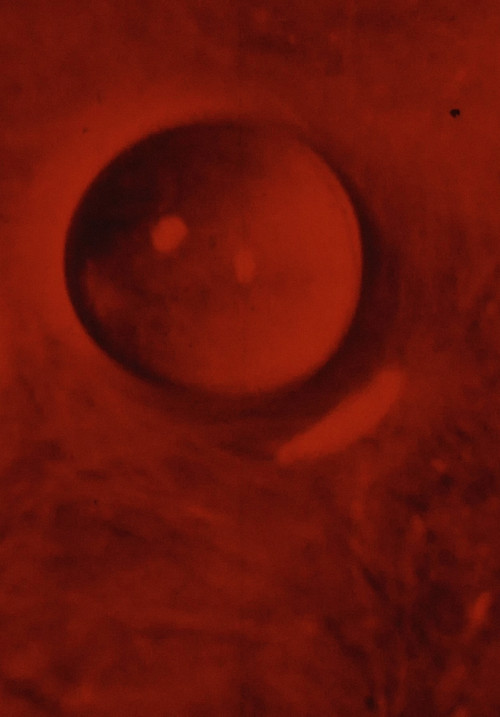
ASCENSION 1972
Isao Kota's ASCENSION (1972) is a hypnotic, ultra-short experimental film that dissects the split-second before and after a pivotal visual rupture.
Director: Isao Kota
Frequently Asked Questions
What is ASCENSION (1972) about?
Isao Kota's ASCENSION (1972) is a four-minute experimental film that examines the psychological impact of altering a single frame at the moment a bubble bursts. It poses a deceptively simple question: does the timing of the splice change our experience of the moment itself?
Who directed ASCENSION?
Isao Kota directed ASCENSION (1972). Known for his boundary-pushing experimental work, Kota's films often explore the intersection of time, perception, and cinematic technique.
Who stars in ASCENSION?
Cast information for ASCENSION (1972) is not listed.
Is ASCENSION (1972) worth watching?
As a 4-minute experimental piece, ASCENSION (1972) offers a unique, thought-provoking experience best suited to fans of avant-garde cinema. Its brevity and conceptual depth make it a curious addition to any film enthusiast's watchlist, even if mainstream appeal is limited.
How long is ASCENSION?
ASCENSION runs for 4 minutes.
ASCENSION (1972): The experimental film that rewrites a single second — Full Movie Info
Isao Kota's ASCENSION (1972) is a hypnotic, ultra-short experimental film that dissects the split-second before and after a pivotal visual rupture. With precision and curiosity, the director explores the psychological weight of frame manipulation—what happens when an image is spliced onto another just before a bubble bursts versus just after? The 4-minute work invites viewers to repeatedly witness this fleeting transition, turning a technical curiosity into a meditative experience about perception and interruption. The stark, minimalist approach creates an atmosphere of quiet intensity, blurring the line between control and chaos, repetition and revelation.
At its core, ASCENSION (1972) is a study of time and framing, challenging the audience to question what we notice—and what we miss—in the blink of an eye. Through meticulous editing, Kota crafts a visual experiment that lingers long after the screen fades to black, leaving viewers to ponder the nature of transitions, both in film and in life.