Iwami Jūtarō 1937
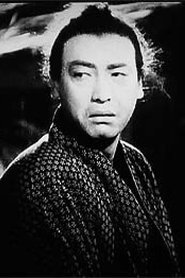
Step back to 1937 and meet Iwami Jūtarō, a hauntingly atmospheric horror film that masterfully blends eerie folklore with psychological tension. Directed by Minoru Ishiyama, this black-and-white classic draws viewers into a shadowy world where the past refuses to stay buried.
Director: Minoru Ishiyama
Cast

Frequently Asked Questions
What is Iwami Jūtarō (1937) about?
Set in pre-war Japan, *Iwami Jūtarō* follows the spectral figure of Jūtarō, whose return from the dead unsettles a rural community. As tensions rise, the film explores themes of retribution and the inescapable weight of the past.
Who directed Iwami Jūtarō?
The film was directed by Minoru Ishiyama, a figure known for his contributions to early Japanese cinema.
Who stars in Iwami Jūtarō?
The cast includes Kusuo Abe, Sōyō Kinoshita, Yōko Morino, and Ryūko Azuma in key roles.
Is Iwami Jūtarō (1937) worth watching?
While it lacks modern polish, *Iwami Jūtarō* offers a fascinating glimpse into early horror with its eerie atmosphere and folkloric roots. For vintage horror enthusiasts, its historical value alone makes it intriguing.
How long is Iwami Jūtarō?
Runtime details are not listed for this 1937 film.
About Iwami Jūtarō (1937) — Haunting Early Horror from Minoru Ishiyama
Step back to 1937 and meet Iwami Jūtarō, a hauntingly atmospheric horror film that masterfully blends eerie folklore with psychological tension. Directed by Minoru Ishiyama, this black-and-white classic draws viewers into a shadowy world where the past refuses to stay buried. The story unfolds around the enigmatic Jūtarō, whose mysterious presence casts a pall over an unsuspecting community, weaving themes of guilt, vengeance, and the supernatural. With a stark visual palette and slow-building dread, the movie lingers like a half-remembered dream—equal parts chilling and hypnotic. Starring Kusuo Abe, Sōyō Kinoshita, and Yōko Morino, *Iwami Jūtarō (1937)* remains a fascinating time capsule of early Japanese horror, offering a glimpse into the cinematic ghosts that continue to captivate audiences decades later.
Though long lost to time, Ishiyama's direction and the cast's haunting performances ensure this film's legacy endures. Its unsettling atmosphere and moral ambiguities resonate as strongly today as they did in pre-war Japan, making it a must-explore for fans of vintage horror and cultural cinema. Whether you're drawn to its historical significance or its lingering sense of unease, *Iwami Jūtarō* stands as a testament to the power of suggestion in storytelling.