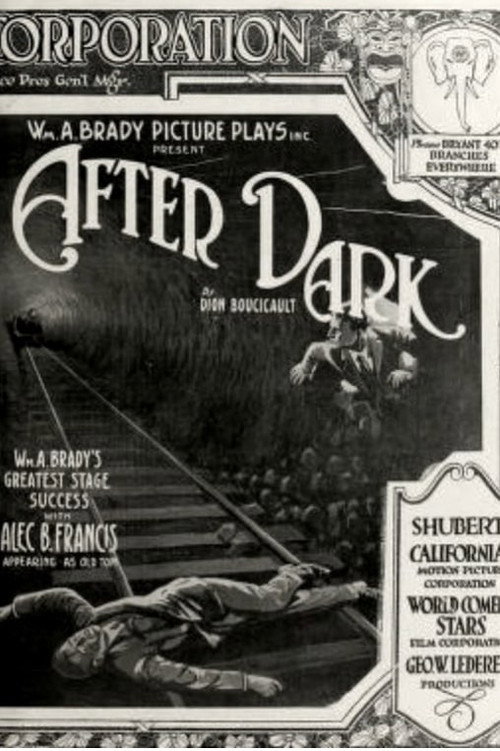
After Dark 1915
Step into the shadows of early cinema with *After Dark (1915)*, a silent-era crime drama that weaves a web of intrigue around a nobleman's son and his unconventional marriage. Directed by Frederick A.
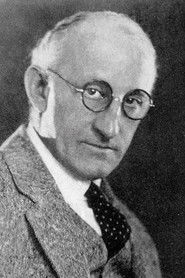
Director: Frederick A. Thomson
Cast
Frequently Asked Questions
What is After Dark (1915) about?
*After Dark* follows a baronet's son who marries a barmaid to fulfill the terms of a will, setting off a chain of unexpected consequences. The story delves into themes of social inequality and the moral complexities of such a decision. It's a tale of love, deception, and the lengths people go to secure their futures.
Who directed After Dark?
Frederick A. Thomson directed *After Dark (1915)*. Known for his work in early silent films, Thomson's direction brought a subtle intensity to the story's themes of inheritance and morality.
Who stars in After Dark?
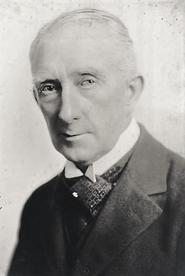
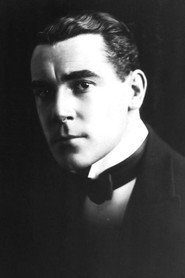
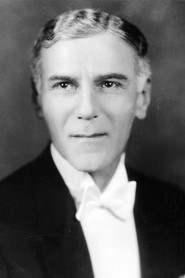
The film features Alec B. Francis, Eric Maxon, Norman Trevor, and Dorothy Green in key roles, with Kathryn Adams rounding out the cast.
Is After Dark (1915) worth watching?
*After Dark* may be a silent-era film, but its exploration of social themes and clever plot twist makes it a hidden gem. Fans of early cinema or crime dramas will appreciate its nuanced storytelling and historical context.
How long is After Dark?
*After Dark (1915)* runs for 50 minutes.
About After Dark (1915) — Silent-Era Crime Drama with a Twist of Inheritance Intrigue
Step into the shadows of early cinema with *After Dark (1915)*, a silent-era crime drama that weaves a web of intrigue around a nobleman's son and his unconventional marriage. Directed by Frederick A. Thomson, the film unfolds with a deceptive simplicity, revealing a plot driven by a will's stringent inheritance terms. The story follows a baronet's son who weds a humble barmaid, not out of love, but to secure his future—a decision laden with moral dilemmas and social tension. With Alec B. Francis and Eric Maxon leading the cast, *After Dark* delivers a moody atmosphere where secrets and consequences collide, set against the stark contrasts of privilege and poverty.
Thomson's direction infuses the narrative with a quiet intensity, focusing on character-driven drama rather than spectacle. The film explores themes of deception, duty, and the blurred lines between right and wrong, all draped in the noir-tinged aesthetics of its time. Dorothy Green and Kathryn Adams add depth to the ensemble, their performances rounding out a tale that blends romance with the grit of early 20th-century crime films. Whether you're a fan of silent cinema or historical dramas, *After Dark (1915)* offers a compelling glimpse into a bygone era of storytelling.