Play Back 1970
Pere Portabella's *Play Back (1970)* is a striking short film that blends experimental documentary techniques with avant-garde music.
Director: Pere Portabella
Cast
Frequently Asked Questions
What is Play Back (1970) about?
*Play Back* is a short experimental film that explores the interplay between visuals and sound without relying on traditional storytelling. The film unfolds like a minimalist composition, where silence and music intertwine to create an immersive, almost meditative experience.
Who directed Play Back?
Pere Portabella, a pioneering Spanish/Catalan filmmaker known for his avant-garde approach to cinema.
Who stars in Play Back?
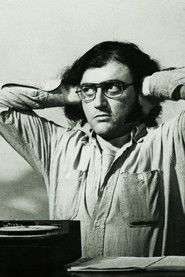
The key figure in *Play Back* is Carles Santos, a musician and composer whose presence shapes the film's rhythmic structure.
Is Play Back (1970) worth watching?
With its striking visuals and experimental focus, *Play Back* is a compelling watch for fans of avant-garde cinema. While it's brief, its artistic ambition and unique atmosphere make it a memorable experience, especially for those who appreciate unconventional filmmaking.
How long is Play Back?
The film runs for 8 minutes.
About Play Back (1970) — A Short Film by Pere Portabella in Experimental Cinema
Pere Portabella's *Play Back (1970)* is a striking short film that blends experimental documentary techniques with avant-garde music. Lasting just eight minutes, the film showcases the Catalan director's signature style—minimalist yet evocative—capturing raw, unfiltered moments that feel as much like a musical composition as they do a visual experience. The atmosphere is hypnotic, where silence and sound collide, leaving viewers to interpret the interplay between image and audio. Though concise, *Play Back* lingers like a fleeting memory, challenging conventions and inviting reflection on the nature of perception and art.
A precursor to Portabella's later works, this microcosmic film reflects the restless creativity of 1970s European cinema. Without relying on traditional narrative, it immerses audiences in a sensory journey where the boundaries between music, movement, and emotion dissolve. Shot in black and white, the film's stark visuals amplify its meditative quality, making it a standout piece for fans of experimental cinema seeking something beyond the ordinary. *Play Back* may be brief, but its impact is anything but.