The Man 1912
The Man (1912) stands as a significant early Russian drama film directed by pioneering filmmaker Władysław Starewicz.
Director: Władysław Starewicz
Cast
Frequently Asked Questions
What is The Man (1912) about?
The Man follows a dramatic narrative inspired by Ivan Shmelev's story 'The Man from the Restaurant.' Set in early 20th-century Russia, the film explores themes of morality, social dynamics, and human nature through its characters' interactions and personal journeys.
Who directed The Man?
The Man was directed by Władysław Starewicz, a pioneering filmmaker known for his contributions to early Russian cinema and innovative stop-motion animation techniques.
Who stars in The Man?
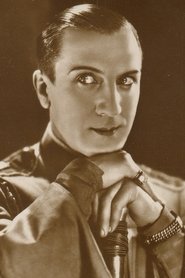
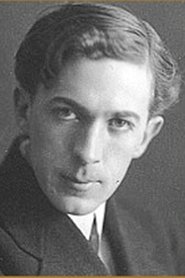
The film features performances from Pavel Biryukov, Ivan Mosjoukine, Tatyana Shornikova, alongside Andrey Gromov and Lidiya Tridenskaya.
Is The Man (1912) worth watching?
As an unrated historical artifact from the silent era, The Man offers valuable insight into early Russian filmmaking. While its dramatic pacing may feel slow by modern standards, it provides a unique window into pre-revolutionary Russian culture and the evolution of cinema.
How long is The Man?
Runtime details are not listed for this 1912 silent film.
The Man (1912) — Silent Era Drama from Revolutionary Russia
The Man (1912) stands as a significant early Russian drama film directed by pioneering filmmaker Władysław Starewicz. This silent cinematic piece draws its narrative inspiration from Ivan Shmelev's literary work 'The Man from the Restaurant,' bringing early 20th-century storytelling to the silver screen through the performances of Pavel Biryukov, Ivan Mosjoukine, and Tatyana Shornikova. Set against the backdrop of pre-revolutionary Russia, the film explores themes of moral complexity and human nature through its dramatic narrative arc.
Starewicz's direction captures the atmospheric essence of the period, creating a contemplative viewing experience that reflects the artistic sensibilities of early cinema. The ensemble cast delivers compelling performances that bring depth to the story's exploration of social dynamics and personal transformation. Though preserved without inscriptions and without creator credits, The Man (1912) remains a fascinating glimpse into the evolution of Russian filmmaking during the silent era, offering audiences a chance to experience this historical artifact of cinematic artistry.
This unrated drama runs an unspecified length, making it an intriguing discovery for enthusiasts of early cinema and those interested in Russian film history. The movie's preservation status adds to its historical significance, representing an important bridge between literature and the emerging art of motion pictures.