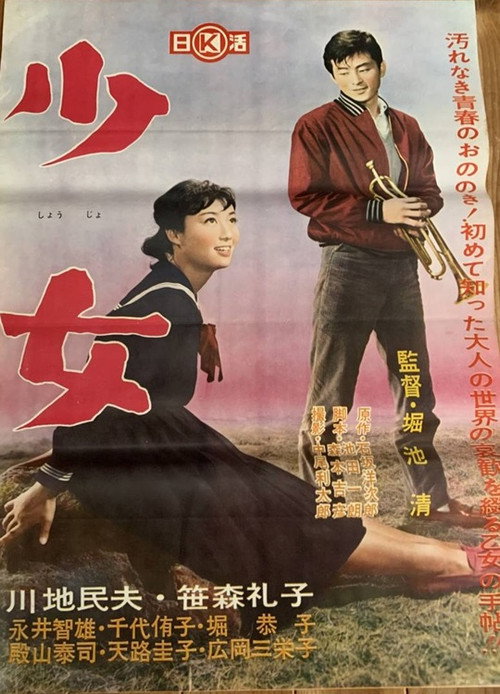
Shōjo 1961
Step into the vibrant yet introspective world of Shōjo (1961), a concise Japanese film directed by Kiyoshi Horiike that captures the essence of youth with striking simplicity.
Director: Kiyoshi Horiike
Cast



Frequently Asked Questions
What is Shōjo (1961) about?
Shōjo (1961) explores the emotional landscape of young women coming of age in postwar Japan, focusing on subtle relationships and internal growth rather than a traditional plot. It captures the quiet intensity of adolescence through understated character moments and atmospheric filmmaking.
Who directed Shōjo?
Shōjo was directed by Kiyoshi Horiike, a filmmaker known for his sensitive approach to character-driven narratives.
Who stars in Shōjo?
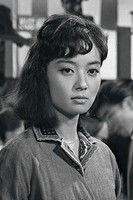
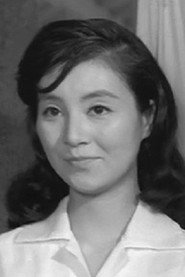
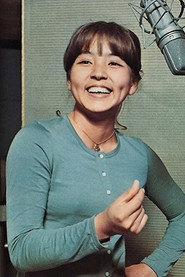
The film features Reiko Sasamori, Akira Hisamatsu, Fudeko Tanaka, Kyosuke Aihara, and Kyoko Hori in its central cast.
Is Shōjo (1961) worth watching?
While Shōjo isn't a high-energy drama, it offers a rewarding experience for those who appreciate slow-burn, character-focused cinema. Its concise runtime and emotional authenticity make it a standout of its era, even if it lacks mainstream appeal.
How long is Shōjo?
Shōjo (1961) has a runtime of 59 minutes.
About Shōjo (1961) — A Brief Yet Poignant Japanese Adolescent Drama
Step into the vibrant yet introspective world of Shōjo (1961), a concise Japanese film directed by Kiyoshi Horiike that captures the essence of youth with striking simplicity. At just 59 minutes, this slender but potent story paints a tender portrait of adolescence through delicate performances and atmospheric storytelling. Set against the backdrop of early 1960s Japan, the film immerses viewers in the quiet emotions and unspoken tensions of young women navigating life's first defining moments. With its understated direction and emotional precision, Shōjo (1961) offers a reflective glance at a fleeting stage of life—one marked by curiosity, longing, and the quiet ache of growing up.
Though the full narrative remains open to interpretation, the film's strength lies in its ability to evoke mood rather than plot. The director's deft use of space and pacing creates an intimate atmosphere, while the young cast—led by Reiko Sasamori and Akira Hisamatsu—delivers nuanced portrayals that resonate beyond the screen. Shōjo (1961) stands as a gentle reminder that sometimes, the most powerful stories are found not in grand gestures, but in the unspoken moments between them.