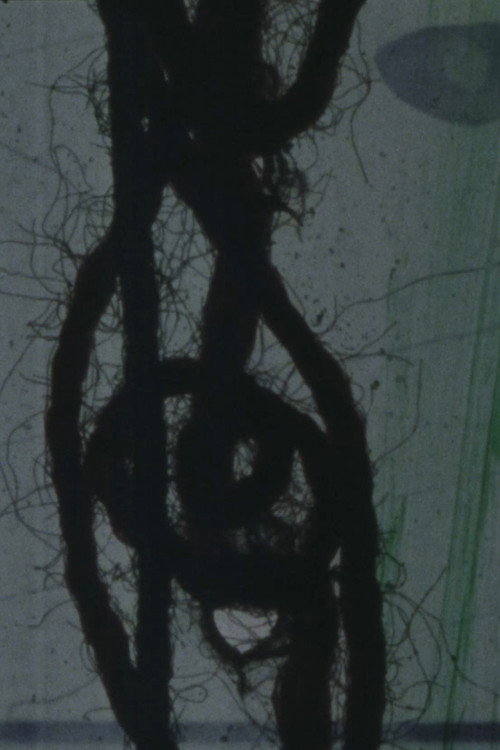
Sewing 1989
Emerging from the creative crucible of the Mowelfund experimental film movement in 1989, *Sewing* offers a brief but captivating glimpse into the artistry of Filipino cinema.
Director: At Maculangan
Frequently Asked Questions
What is Sewing (1989) about?
*Sewing* is a two-minute experimental film from the Mowelfund movement that transforms the act of sewing into a silent, meditative visual experience. It focuses on the subtle interplay of hands, fabric, and light, exploring themes of craftsmanship and tradition without relying on dialogue.
Who directed Sewing?
*Sewing* was directed by At Maculangan, a filmmaker known for his experimental approach within the Mowelfund collective.
Who stars in Sewing?
Cast details for *Sewing* are not listed, as the film's focus is on visual storytelling rather than named performers.
Is Sewing (1989) worth watching?
While *Sewing* is a short experimental film with no IMDb rating, its artistic ambition and the rarity of Mowelfund experimental works make it intriguing for fans of avant-garde cinema. It's less about entertainment and more about experiencing a slice of Filipino film history in under two minutes.
How long is Sewing?
Runtime details list *Sewing* as a two-minute film.
About Sewing (1989) — A Mowelfund experimental film that turns stitching into cinematic poetry
Emerging from the creative crucible of the Mowelfund experimental film movement in 1989, *Sewing* offers a brief but captivating glimpse into the artistry of Filipino cinema. Directed by visionary filmmaker At Maculangan, this ultra-short film—clocking in at just two minutes—transforms everyday craftsmanship into a mesmerizing visual meditation. Bathed in the quiet intensity of hands stitching fabric, the film weaves themes of patience, tradition, and the unspoken stories embedded in the simplest acts. Its minimalist approach and meditative pacing invite viewers to pause and reflect, turning a fleeting moment into something deeply resonant.
Though sparse in dialogue, *Sewing (1989)* speaks volumes through its imagery and atmosphere. The film's experimental nature challenges conventional storytelling, favoring visual poetry over narrative exposition. Maculangan's direction emphasizes texture and tone, using light, shadow, and motion to evoke an almost meditative state. It's a snapshot of an era when Filipino filmmakers pushed boundaries, proving that even the shortest films could leave a lasting impression on audiences.