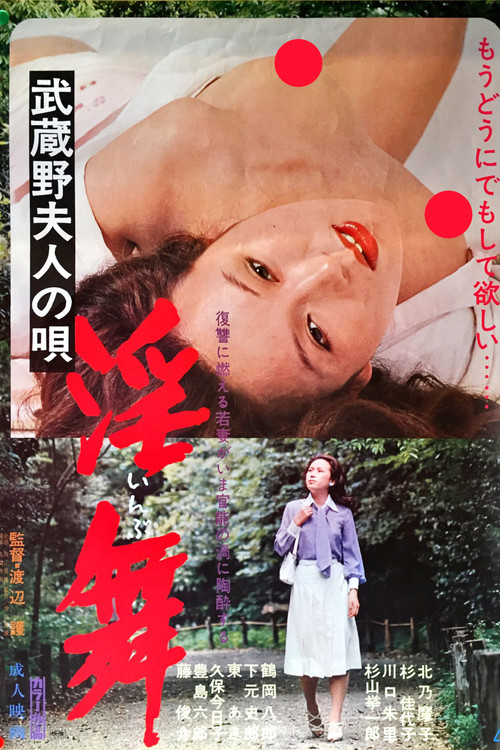
The Song of the Lady Musashino: Inmai 1978
Step into the bold, unfiltered world of 1970s Japanese cinema with *The Song of the Lady Musashino: Inmai (1978)*, a provocative pink film directed by Mamoru Watanabe.
Director: Mamoru Watanabe
Cast
Frequently Asked Questions
What is The Song of the Lady Musashino: Inmai (1978) about?
This 1978 pink film dives into the tangled lives of characters navigating a world where passion and societal expectations clash. Through intense performances and provocative storytelling, it examines the blurred lines between love and obsession.
Who directed The Song of the Lady Musashino: Inmai?
Mamoru Watanabe is the director behind this bold 1978 pink film, known for his unflinching approach to controversial themes.
Who stars in The Song of the Lady Musashino: Inmai?
The film features standout performances from Mako Kitano, Ruka Azusa, Kenichiro Sugiyama, Hachiro Tsuruoka, and Shirō Shimomoto.
Is The Song of the Lady Musashino: Inmai (1978) worth watching?
While short and niche, this pink film offers a fascinating snapshot of 1970s Japanese cinema's bold storytelling. Its blend of eroticism and psychological drama makes it a compelling watch for fans of the genre.
How long is The Song of the Lady Musashino: Inmai?
The film runs for 61 minutes—just under an hour of intense, immersive storytelling.
About The Song of the Lady Musashino: Inmai (1978) — A bold pink film from Mamoru Watanabe's era
Step into the bold, unfiltered world of 1970s Japanese cinema with *The Song of the Lady Musashino: Inmai (1978)*, a provocative pink film directed by Mamoru Watanabe. This short but intense drama unfolds under the Toei New Porno banner, blending sensuality with psychological depth as it explores the complexities of human desire and societal constraints. The story follows a group of characters—led by the magnetic Mako Kitano and Ruka Azusa—whose lives intertwine in a web of passion, betrayal, and emotional turmoil. Shot in a style that balances raw realism with poetic imagery, the film immerses viewers in a morally ambiguous universe where love and lust collide.
Set against a backdrop of urban alienation, *The Song of the Lady Musashino: Inmai* weaves a narrative that feels both timeless and distinctly rooted in its era. Watanabe's direction leans into the film's erotic undercurrents, using them as a lens to examine deeper themes of identity and fulfillment. With a runtime of just 61 minutes, the movie delivers a compact yet impactful experience, making it a fascinating case study for fans of 1970s Japanese exploitation cinema and those curious about the evolution of erotic storytelling on film.