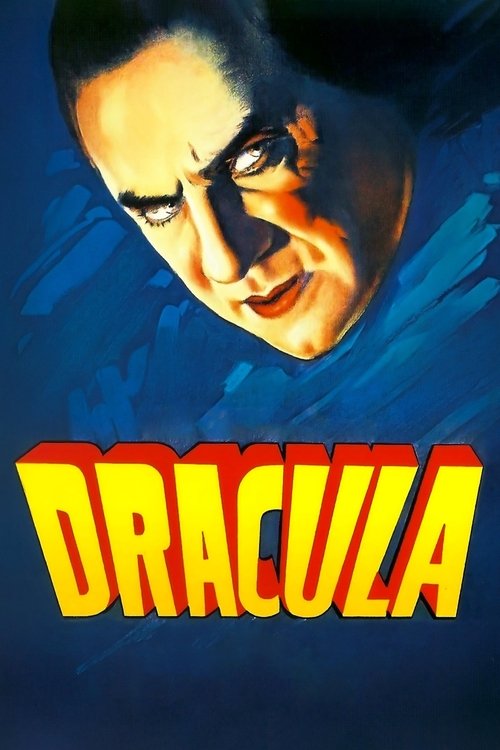
Dracula 1931
"The story of the strangest passion the world has ever known!"
Tod Browning's 1931 adaptation of Bram Stoker's iconic vampire tale introduces Bela Lugosi as Count Dracula, a mesmerizing aristocrat whose arrival in London hides a chilling secret.
Director: Tod Browning
Cast
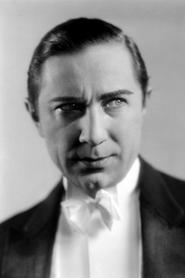
Bela Lugosi
Count Dracula
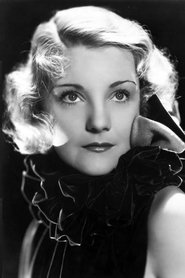
Helen Chandler
Mina
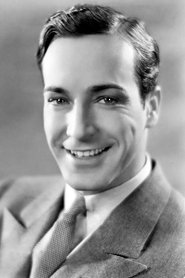
David Manners
John Harker
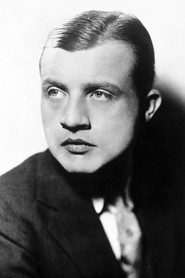
Dwight Frye
Renfield
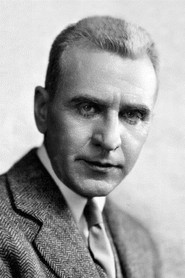
Edward Van Sloan
Van Helsing
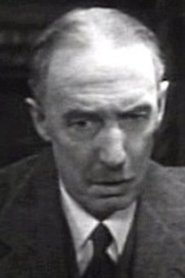
Herbert Bunston
Doctor Seward
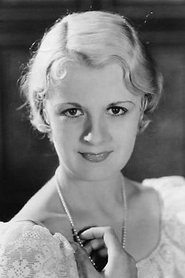
Frances Dade
Lucy
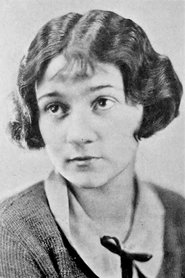
Joan Standing
Maid
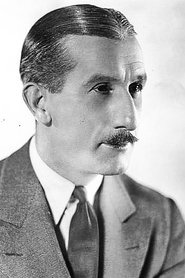
Charles K. Gerrard
Martin
Anna Bakacs
Innkeeper's Daughter (uncredited)
Frequently Asked Questions
What is Dracula (1931) about?
The film follows a mysterious Transylvanian nobleman who travels to London under the guise of leasing a grand estate, only to reveal his true nature as a blood-drinking vampire. His arrival triggers a wave of terror among the city's elite, culminating in a deadly game of cat and mouse.
Who directed Dracula?
Dracula (1931) was directed by Tod Browning, a filmmaker known for his work in the horror genre and his collaboration with Bela Lugosi.
Who stars in Dracula?
The film stars Bela Lugosi as Count Dracula, alongside Helen Chandler, David Manners, Dwight Frye, and Edward Van Sloan in pivotal roles.
Is Dracula (1931) worth watching?
As one of the defining horror films of the early talkies era, Dracula (1931) remains a must-watch for fans of gothic atmosphere and classic cinema. Its influence on vampire lore and Lugosi's unforgettable performance make it a standout title in horror history.
How long is Dracula?
Dracula (1931) runs for 74 minutes, a tight runtime that keeps the suspense and gothic tension palpable from start to finish.
🎥 Trailer
About Dracula (1931) — The Horror Classic That Defined Vampire Cinema
Tod Browning's 1931 adaptation of Bram Stoker's iconic vampire tale introduces Bela Lugosi as Count Dracula, a mesmerizing aristocrat whose arrival in London hides a chilling secret. When an unsuspecting estate agent becomes ensnared by the Count's hypnotic charm, the stage is set for a descent into madness and terror, culminating in a wave of nocturnal bloodshed among high-society victims.
Set against the eerie backdrop of Transylvania and the fog-drenched streets of Victorian London, Dracula blends gothic atmosphere with psychological dread, all while exploring themes of forbidden desire and the corrupting power of immortality. Lugosi's performance, steeped in gravitas and hypnotic presence, elevates the film beyond mere horror into a timeless legend that has haunted cinema for generations.