Strictly Fresh Eggs 1903
Step right up for a century-old cinematic oddity that remains as startling today as it must have been in 1903.
Cast
Frequently Asked Questions
What is Strictly Fresh Eggs (1903) about?
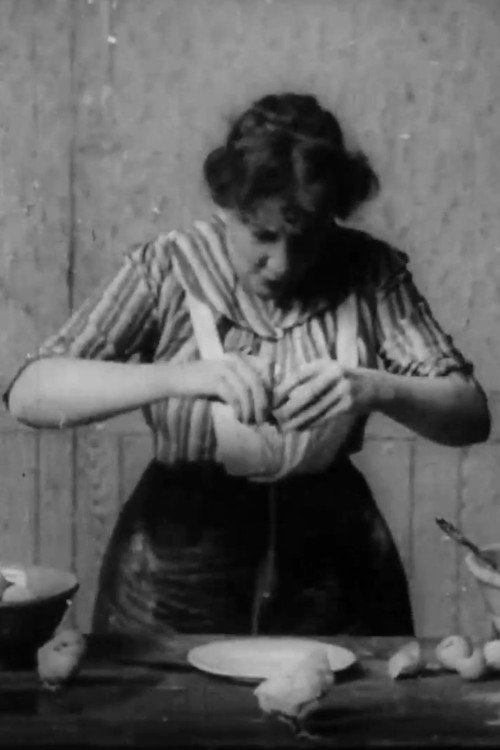
This 1903 silent film features Kathryn Osterman cracking eggs into a plate, only for each yolk to magically transform into a tiny chick through stop-motion animation. The routine repeats twelve times, blending absurd humor with groundbreaking visual effects.
Who directed Strictly Fresh Eggs?
Director information is not available.
Who stars in Strictly Fresh Eggs?
The film stars Kathryn Osterman, whose deadpan delivery and comedic timing bring the surreal egg transformations to life.
Is Strictly Fresh Eggs (1903) worth watching?
As an early experiment in stop-motion and silent comedy, it's a fascinating artifact for film history buffs. Its brevity and outdated effects may limit its appeal today, but its playful spirit makes it a charming curiosity worth a minute of your time.
How long is Strictly Fresh Eggs?
The film runs for exactly 1 minute.
About Strictly Fresh Eggs (1903) — The Early Comedy That Brought Eggs to Life
Step right up for a century-old cinematic oddity that remains as startling today as it must have been in 1903. In *Strictly Fresh Eggs (1903)*, a lost gem of early comedy, Kathryn Osterman performs a series of seemingly ordinary acts—cracking an egg into a plate—only to reveal a tiny, animated chick emerging from the yolk. This surreal trick, repeated twelve times through pioneering stop-motion photography, transforms a simple kitchen ritual into a playful spectacle of transformation and wonder. The film's 60-second runtime is packed with whimsy, blending slapstick charm with the magic of early special effects. It's a snapshot of a time when cinema was just learning to bend reality, offering a glimpse into the playful spirit that defined the silent era.
While *Strictly Fresh Eggs* may be short, its audacious concept lingers. The silent film relies on visual humor and timing, creating a rhythm that feels both nostalgic and timeless. Kathryn Osterman's deadpan delivery contrasts with the absurdity of the transformation, making each egg-to-chick reveal a tiny punchline. Though modest in scale, the film stands as a testament to the creativity of early filmmakers who turned everyday objects into sources of delight and surprise.