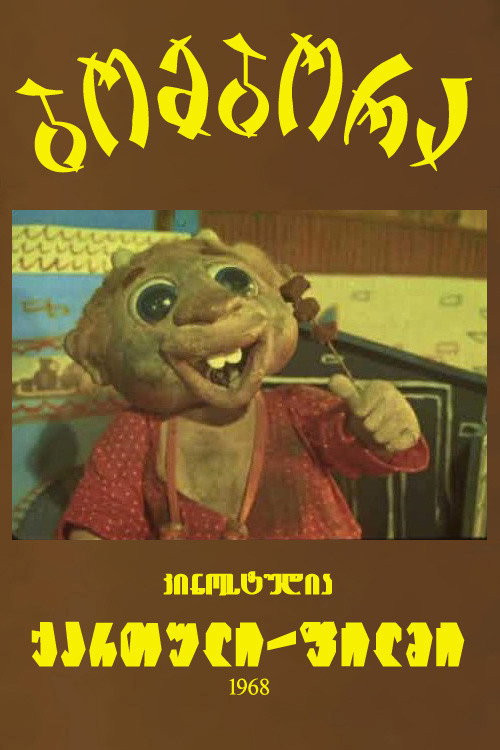
Bombora 1968
In the dark corners of a bustling city, a mischievous creature named Bombora stomps through the streets, smashing lanterns with reckless abandon. The lamplighter, Sao, fed up with the chaos, abandons his post, plunging the city into pitch black.
Director: Karlo Sulakauri
Frequently Asked Questions
What is Bombora (1968) about?
The film follows Bombora, a chaotic creature who smashes city lanterns, forcing the lamplighter Sao to abandon his job. Left in darkness, the city descends into pandemonium as people collide in the blackout. It's a surreal and humorous take on societal order crumbling without its usual safeguards.
Who directed Bombora?
Bombora was directed by Karlo Sulakauri, a filmmaker known for his experimental and animated works during the mid-20th century.
Who stars in Bombora?
The film features an unnamed creature, Bombora, and the lamplighter Sao as its central characters, with no listed cast details.
Is Bombora (1968) worth watching?
At just 8 minutes long, Bombora offers a quick but memorable dive into surreal animation and social satire. Its obscure status and unique premise make it a curiosity for fans of early experimental films, even if it lacks widespread acclaim.
How long is Bombora?
Bombora has a runtime of 8 minutes.
About Bombora (1968) — A Darkly Funny Animated Short About Chaos and Consequence
In the dark corners of a bustling city, a mischievous creature named Bombora stomps through the streets, smashing lanterns with reckless abandon. The lamplighter, Sao, fed up with the chaos, abandons his post, plunging the city into pitch black. Without light, the once-orderly streets descend into hilarious mayhem as pedestrians stumble into each other, clueless and disoriented. This 1968 animated short film by director Karlo Sulakauri blends playful absurdity with a sharp critique of society's reliance on order, all wrapped in a visually striking black-and-white aesthetic.
Bombora (1968) isn't just a whimsical tale—it's a clever satire about the fragility of systems we take for granted. The film's minimalist animation and surreal premise highlight themes of disruption and consequence, leaving viewers to ponder what happens when the lights go out—literally. With its quirky charm and underlying social commentary, this obscure gem stands out as a unique entry in the world of early animation.