The Violin Maker of Nuremberg 1911
Directed by pioneering filmmaker Alice Guy-Blaché, *The Violin Maker of Nuremberg* (1911) is a silent-era drama steeped in romantic tension and artistic rivalry.
Director: Alice Guy-Blaché
Cast
Frequently Asked Questions
What is *The Violin Maker of Nuremberg* (1911) about?
This silent-era drama centers on two apprentice violin makers who compete for both a prestigious music prize and the affection of their mentor's daughter. The stakes are high: the winner of the competition will marry the young woman, turning a friendly rivalry into a high-stakes test of skill and devotion.
Who directed *The Violin Maker of Nuremberg*?
The film was directed by Alice Guy-Blaché, a trailblazing figure in early cinema known for her innovative storytelling and contributions to narrative filmmaking.
Who stars in *The Violin Maker of Nuremberg*?
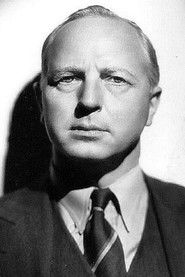
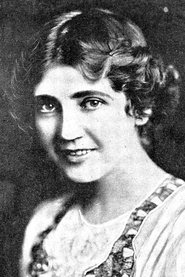
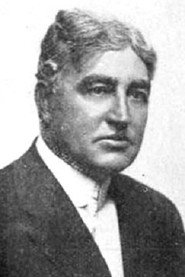
The cast includes Gladden James, Blanche Cornwall, Edgar Lewis, Berkeley Barrington, and Simone Blaché, with James and Cornwall playing the rival apprentices.
Is *The Violin Maker of Nuremberg* (1911) worth watching?
While it's a short silent film with no IMDb rating, its historical significance and Guy-Blaché's direction make it a compelling watch for fans of early cinema. The romantic rivalry and artistic competition offer a charming glimpse into the silent era's storytelling techniques.
How long is *The Violin Maker of Nuremberg*?
The film has a runtime of 12 minutes.
About The Violin Maker of Nuremberg (1911) — Silent-Era Romance Meets Artistic Rivalry
Directed by pioneering filmmaker Alice Guy-Blaché, *The Violin Maker of Nuremberg* (1911) is a silent-era drama steeped in romantic tension and artistic rivalry. Set against the backdrop of a 19th-century German town, the story follows two apprentice violin makers—both deeply in love with their mentor's daughter—who find their fate intertwined with a high-stakes music competition. The winner will not only claim the coveted prize but also the hand of the young woman, transforming a simple craft into a battleground of love and ambition. Guy-Blaché's deft storytelling captures the period's charm while exploring timeless themes of passion, competition, and the sacrifices made for art.
With its concise runtime and economical yet evocative narrative, the film delivers a snapshot of early cinema's ability to convey emotion through visuals and performance alone. The atmosphere is one of quiet intensity, as the characters' desires collide in a delicate dance of romance and rivalry, all framed within the elegant world of violin craftsmanship.