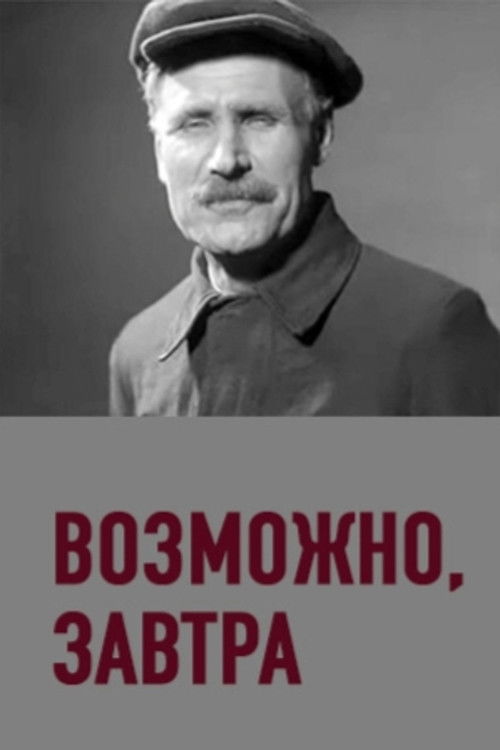
Maybe Tomorrow 1932
Set against the turbulent backdrop of the late 1920s, *Maybe Tomorrow (1932)* plunges viewers into a stark portrayal of global upheaval as the capitalist crisis collides with the rise of fascism.
Director: Dmitriy Dalskiy
Cast


Frequently Asked Questions
What is *Maybe Tomorrow (1932)* about?
This Soviet war drama unfolds as fascist forces attack the Soviet Union, forcing workers to leave their factories and join the Red Army. The film contrasts the peaceful labor of the 1920s with the horrors of aerial bombardment and mass casualties, culminating in a tribute to those lost in the struggle.
Who directed *Maybe Tomorrow*?
Dmitriy Dalskiy directed this intense early-1930s Soviet film.
Who stars in *Maybe Tomorrow*?
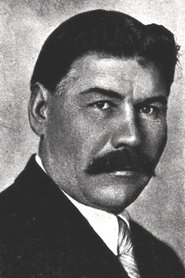
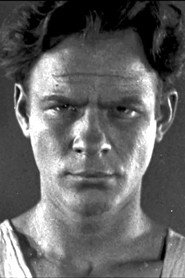
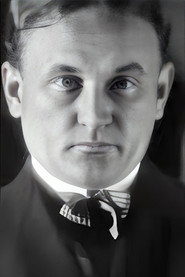
Leading the cast are Peter Golm, Albert Venohr, Sofiia Smyrnova, Maria Maksakova, and Stepan Shkurat.
Is *Maybe Tomorrow (1932)* worth watching?
While unrated on IMDb, *Maybe Tomorrow* offers a gripping historical snapshot of Soviet wartime propaganda and social drama. Its short runtime and focused storytelling make it a niche interest for fans of 1930s cinema and war films, though modern viewers may find its tone heavy and overtly didactic.
How long is *Maybe Tomorrow*?
*Maybe Tomorrow* runs for 61 minutes, a concise wartime production typical of early Soviet films.
About Maybe Tomorrow (1932) — Soviet War Drama Capturing Sacrifice on the Eve of Conflict
Set against the turbulent backdrop of the late 1920s, *Maybe Tomorrow (1932)* plunges viewers into a stark portrayal of global upheaval as the capitalist crisis collides with the rise of fascism. Directed by Dmitriy Dalskiy, this Soviet war drama captures the sudden rupture of peace when Soviet cities come under aerial assault, transforming once-thriving communities into scenes of mourning and resistance. The film follows workers who abandon their factories to join the Red Army, their ordinary lives upended by the thunder of tanks and the shadow of falling bombs. With funeral processions winding through the streets and the sky darkened by enemy planes, *Maybe Tomorrow* paints a raw, urgent picture of sacrifice, solidarity, and the fragility of progress.
At its core, the movie reflects the Soviet Union's pre-war anxieties while celebrating the defiant spirit of its people. Through the lens of Peter Golm and the ensemble cast, the film transforms historical tension into cinematic drama, blending propaganda with poignant human drama. The black-and-white cinematography heightens the grim atmosphere, making *Maybe Tomorrow* more than a call to arms—it's a time capsule of courage in the face of destruction.