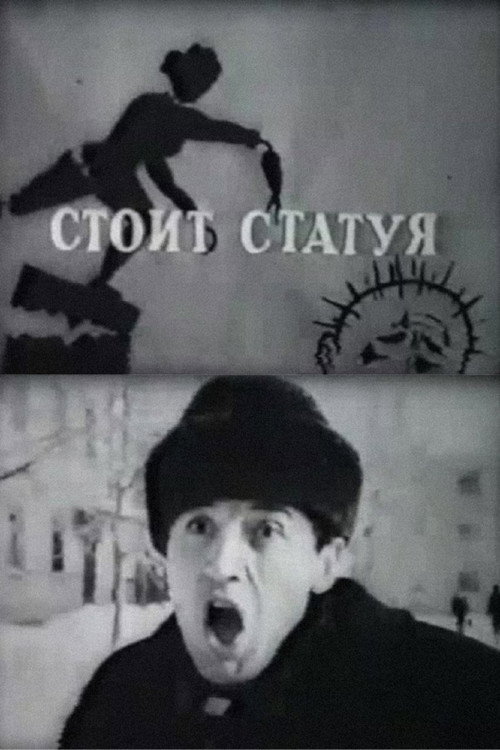
There is a Statue 1968
In the absurdist comedy short *There is a Statue* (1968), a man finds himself haunted by a relentless pursuit from lifelike statues in a surreal urban landscape.
Frequently Asked Questions
What is There is a Statue (1968) about?
This four-minute comedy short follows a man tormented by statues that appear to chase him through the city, inspired by Pushkin's *The Bronze Horseman*. The film blends absurd humor with a surreal twist on classic poetry, turning a dramatic chase into a lighthearted farce. Its brevity makes it a unique, memory-striking experience.
Who directed There is a Statue?
Director information is not available.
Who stars in There is a Statue?
The film's cast details are not listed, leaving its performers a mystery.
Is There is a Statue (1968) worth watching?
At just four minutes long, *There is a Statue* is a quick but intriguing watch for fans of quirky, experimental shorts. Its blend of comedy and surreal horror offers a fresh take on Pushkin's work, though its unrated status and unknown cast may limit broader appeal. Still, it's a fascinating glimpse into mid-century cinematic experimentation.
How long is There is a Statue?
Runtime details are not listed, but the film is widely described as a four-minute short.
About There is a Statue (1968) — A Pushkin-inspired Comedy Short You Won't Forget
In the absurdist comedy short *There is a Statue* (1968), a man finds himself haunted by a relentless pursuit from lifelike statues in a surreal urban landscape. The film opens with a playful twist on Pushkin's classic poem *The Bronze Horseman*, weaving its eerie lines into a comedic chase where the protagonist can't escape the imposing figures trailing him. As the statues lurk around corners and block his path, the story twists the original's dramatic tone into something lighthearted yet unsettling, blending humor with a touch of existential whimsy. Shot in just four minutes, the film's minimal runtime packs a visual punch, using stark locations and exaggerated performances to turn a simple chase into a memorable farce.
While the director and cast remain a mystery, *There is a Statue* endures as a curious artifact of its era—a brief, offbeat experiment that transforms classic literature into a comedic escape. Its brevity leaves room for interpretation, inviting viewers to ponder whether the statues are figments of imagination or absurd manifestations of urban guilt. With its quirky premise and vintage charm, the short film remains a delightful curiosity for fans of early cinematic oddities and satire alike.