Women 1913
Lost to time yet rich in early cinema charm, *Women* (1913) offers a rare glimpse into silent-era storytelling through its dramatic lens.
Cast
Frequently Asked Questions
What is Women (1913) about?
*Women* (1913) is an early silent film that explores the lives, choices, and emotional journeys of its female characters in the early 1900s. The story likely delves into themes of love, duty, and personal freedom, reflecting societal attitudes of the time through its dramatic narrative.
Who directed Women?
Director information is not available.
Who stars in Women?
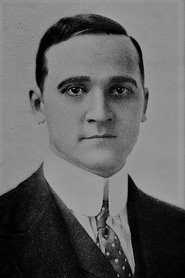
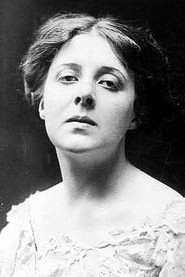
The film features E.H. Calvert, Doris Mitchell, Marguerite Ives, and Jules Ferrar in key roles.
Is Women (1913) worth watching?
As a silent-era drama, *Women* (1913) is worth watching for fans of early cinema and those interested in historical portrayals of women. Its themes and performances offer a unique perspective, even if the narrative remains a mystery. For silent film enthusiasts, it's a fascinating piece of cinematic history.
How long is Women?
Runtime details are not listed.
About Women (1913) — Discover a silent-era drama about women's struggles and strengths
Lost to time yet rich in early cinema charm, *Women* (1913) offers a rare glimpse into silent-era storytelling through its dramatic lens. Directed by an unknown filmmaker, this early feature weaves a compelling tapestry of relationships, societal expectations, and personal choices that defined the era's evolving role of women. Starring E.H. Calvert, Doris Mitchell, and Marguerite Ives, the film unfolds with a quiet intensity, capturing the emotional weight of its characters' struggles without relying on dialogue. While the plot remains a mystery, the themes of identity, love, and resilience resonate through the performances, creating an atmosphere of quiet contemplation.
As one of the earliest films to center on women's experiences, *Women* (1913) stands as a historical curiosity for silent film enthusiasts and feminist historians alike. Its black-and-white visuals and deliberate pacing evoke a bygone cinematic era where storytelling relied on gesture, expression, and the power of suggestion. Though details about its narrative are scarce, the film's focus on female perspectives in a male-dominated society adds layers of intrigue. For those exploring early 20th-century cinema, *Women* (1913) is a fascinating artifact worth discovering on platforms that preserve silent-era classics.