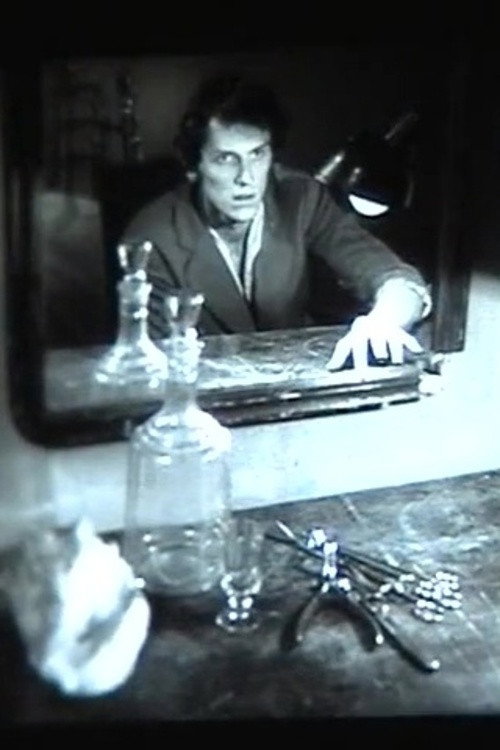
Room 1992
Step into the unsettling world of *Room (1992)*, an experimental short horror film that blurs the line between reality and illusion.
Director: Eduard Shelganov
Frequently Asked Questions
What is Room (1992) about?
This experimental short horror film follows a man who enters a small room, checks the lights, and vanishes behind a mirror to eat. The minimalist yet unsettling setup leaves viewers questioning the reality of the situation.
Who directed Room?
Room was directed by Eduard Shelganov, a filmmaker known for his work in experimental and psychological cinema.
Who stars in Room?
The main cast is not listed, leaving the focus purely on the atmospheric narrative and direction.
Is Room (1992) worth watching?
While brief, *Room* delivers a punch in its short runtime, making it ideal for horror enthusiasts who appreciate mood over spectacle. Its ambiguity and tension justify a watch, especially for fans of psychological shorts.
How long is Room?
Room has a runtime of 7 minutes.
About Room (1992) — A 7-Minute Horror Short That Keeps You Guessing
Step into the unsettling world of *Room (1992)*, an experimental short horror film that blurs the line between reality and illusion. Directed by Eduard Shelganov, this 7-minute psychological thriller follows a man as he enters a claustrophobic room, meticulously checking the lights before disappearing behind a mirror to eat. With its minimalist setting and eerie atmosphere, the film creates a sense of dread that lingers long after the credits roll. The confined space and mysterious actions hint at deeper themes of isolation, paranoia, and the uncanny, making it a standout in the horror genre.
*Room* (1992) plays like a haunting puzzle, where every detail feels intentional yet ambiguous. Shelganov's direction strips away excess, focusing on tension and the unsettling behavior of the protagonist. The film's brevity amplifies its impact, leaving viewers questioning what they've witnessed. For fans of short, thought-provoking horror, this is a must-see that proves less is often more.