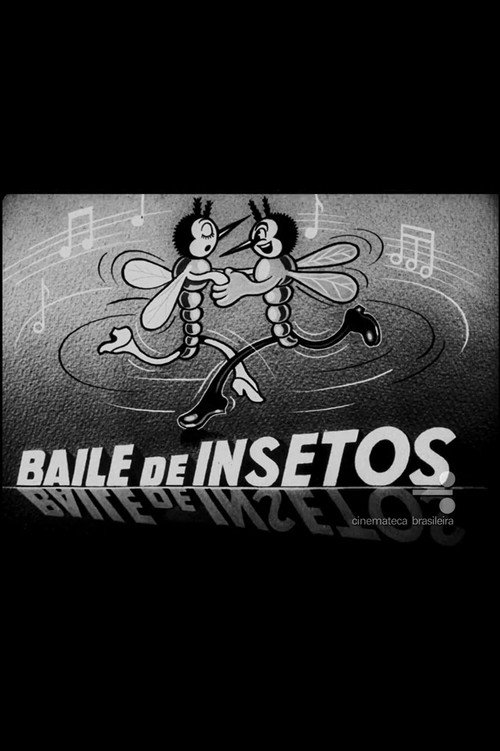
Insect Dance 1949
Dive into the whimsical yet cautionary world of *Insect Dance (1949)*, a charming three-minute animated short that blends playful charm with a surprisingly dark twist.
Director: Eugênio Marcus
Frequently Asked Questions
What is Insect Dance (1949) about?
*Insect Dance (1949)* follows a tiny insect invited to an endless city ball where fellow bugs dance the night away. The celebration takes a dark turn when a robot arrives, spraying insecticide and abruptly halting the festivities. It's a surreal mix of joy and tragedy wrapped in vintage animation.
Who directed Insect Dance?
Eugênio Marcus directed *Insect Dance (1949)*, bringing his unique animation style to this short film.
Who stars in Insect Dance?
The cast includes an array of animated insects—flies, mosquitoes, cockroaches, and the menacing robot Detefon—who take center stage in this quirky short.
Is Insect Dance (1949) worth watching?
While *Insect Dance (1949)* is more of a historical curiosity than a modern classic, its unique blend of animation and stark themes makes it worth a watch for animation fans. The 3-minute runtime keeps it light, but the dark ending lingers, offering a fascinating glimpse into early animated propaganda.
How long is Insect Dance?
The runtime for *Insect Dance (1949)* is just 3 minutes.
About Insect Dance (1949) — A 1949 Animated Short with a Shocking Twist
Dive into the whimsical yet cautionary world of *Insect Dance (1949)*, a charming three-minute animated short that blends playful charm with a surprisingly dark twist. Directed by the visionary Eugênio Marcus, this vintage cartoon transports viewers to a rural setting where an unsuspecting insect receives an enticing invitation to the grand "Insect Ball" in the city—a never-ending celebration where flies, mosquitoes, and cockroaches revel in dance and merriment. The idyllic atmosphere sours swiftly when a sinister robot named Detefon arrives, unleashing a wave of insecticide that abruptly ends the festivities in a chilling climax. As both a piece of animation history and a quirky advertisement for the insecticide Detefon, this film captures the duality of early animated propaganda, blending entertainment with a subtle moral lesson.
Though brief, *Insect Dance (1949)* stands out as a unique artifact of mid-century animation, offering a snapshot of the era's artistic and commercial ambitions. Its themes of fleeting joy and hidden dangers resonate beyond its runtime, making it a curious watch for animation enthusiasts and historians alike. The contrast between the lively party and its abrupt, pesticide-fueled demise adds layers to its narrative, leaving audiences with a blend of nostalgia and unease.