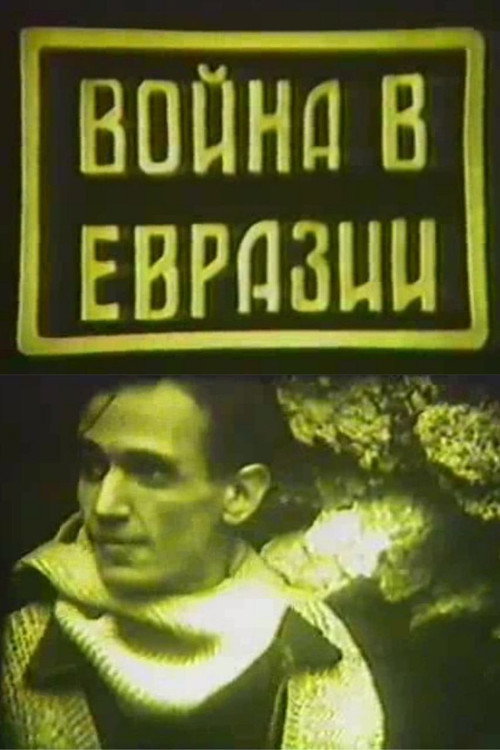
The War in Eurasia 1999
Dive into the surreal and visceral world of *The War in Eurasia (1999)*, a 60-minute experimental war film by Russian director Maksim Stolpovskiy.
Director: Maksim Stolpovskiy
Cast

Frequently Asked Questions
What is The War in Eurasia (1999) about?
*The War in Eurasia* immerses viewers in a nightmarish, stylized vision of war where bloodied animations clash with stark industrial imagery. It strips conflict down to its raw, impersonal core, portraying war not as a human drama but as a mechanical, almost alien force.
Who directed The War in Eurasia?
The War in Eurasia was directed by Maksim Stolpovskiy, a filmmaker known for his experimental and provocative approach to visual storytelling.
Who stars in The War in Eurasia?
The film features Maksim Stolpovskiy as the sole credited cast member, reflecting its minimalist and abstract presentation.
Is The War in Eurasia (1999) worth watching?
As an unconventional war film, *The War in Eurasia* will appeal to fans of avant-garde cinema seeking a visually intense and thematically provocative experience. Its abstract nature and lack of IMDb rating may limit broader appeal, but it stands as a bold statement on modern warfare's dehumanizing effects.
How long is The War in Eurasia?
The War in Eurasia runs for 60 minutes.
About The War in Eurasia (1999) — A Surreal, 60-Minute War Film You Won't Forget
Dive into the surreal and visceral world of *The War in Eurasia (1999)*, a 60-minute experimental war film by Russian director Maksim Stolpovskiy. This visually striking and intense short film blends bloody cartoons with hallucinogenic imagery, exploring the dehumanizing reality of technotronic warfare through the lens of impersonal violence. The impenetrable gaze of industrial machinery mirrors the cold detachment of modern conflict, revealing an unsettling narrative hidden within the steel and flesh of mechanized warfare.
Stolpovskiy's avant-garde approach strips away traditional storytelling to expose the raw, almost mechanical essence of conflict, where the human body becomes an open wound exposed to the elements. The film's frenetic visual style and unflinching portrayal of war's brutality create an immersive experience that challenges viewers to confront the hidden lives of the machines driving the carnage. Far from a straightforward war drama, this is a hypnotic, visceral meditation on violence and modern warfare that lingers long after the credits roll.