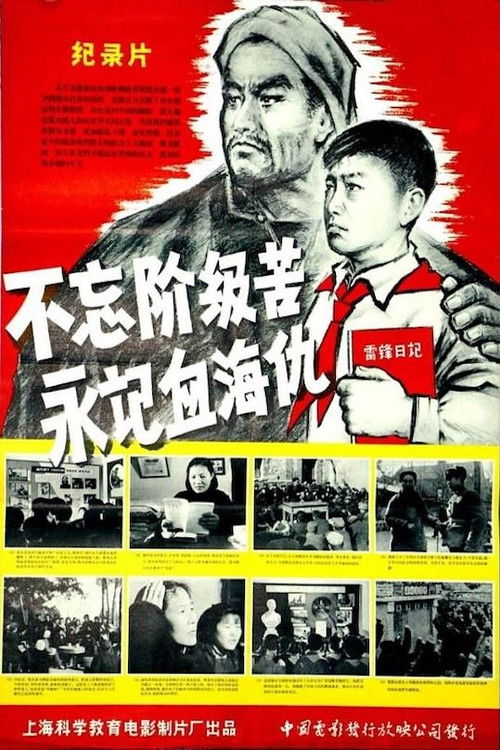
Never Forget Class Bitterness, Forever Remember the Hatred in the Sea of Blood 1965
This powerful 1965 documentary from Maoist China, *Never Forget Class Bitterness, Forever Remember the Hatred in the Sea of Blood*, serves as a stark portrayal of the hardships endured by China's working class under pre-revolutionary rule.
Frequently Asked Questions
What is *Never Forget Class Bitterness, Forever Remember the Hatred in the Sea of Blood* (1965) about?
This documentary exposes the harsh realities faced by China's working class before the revolution, using historical exhibition footage from Shandong province. It frames their struggles as a rallying cry for class consciousness and revolutionary change.
Who directed *Never Forget Class Bitterness, Forever Remember the Hatred in the Sea of Blood*?
Director information is not available.
Who stars in *Never Forget Class Bitterness, Forever Remember the Hatred in the Sea of Blood*?
Cast details are not listed for this documentary.
Is *Never Forget Class Bitterness, Forever Remember the Hatred in the Sea of Blood* (1965) worth watching?
Though unrated on IMDb, this documentary offers a fascinating glimpse into Maoist-era propaganda and historical storytelling. Its raw portrayal of class struggle may appeal to those interested in political cinema, even if its tone is heavy-handed by modern standards.
How long is *Never Forget Class Bitterness, Forever Remember the Hatred in the Sea of Blood*?
The film runs for 57 minutes.
About Never Forget Class Bitterness, Forever Remember the Hatred in the Sea of Blood (1965) — A Maoist Documentary of Class Struggle
This powerful 1965 documentary from Maoist China, *Never Forget Class Bitterness, Forever Remember the Hatred in the Sea of Blood*, serves as a stark portrayal of the hardships endured by China's working class under pre-revolutionary rule. Based on a compelling exhibition held in Shandong province, the film immerses viewers in a politically charged atmosphere, blending historical documentation with emotional intensity. Its raw and unflinching depiction of class struggle captures the suffering, resilience, and collective memory of a generation scarred by exploitation. The documentary's themes of social injustice and revolutionary fervor resonate through its 57-minute runtime, leaving a lasting impression on audiences seeking to understand China's turbulent past.
As a product of its era, this documentary stands as a testament to the power of visual storytelling in shaping national consciousness. While director and cast details remain elusive, the film's impact lies in its unfiltered portrayal of class resentment, framed within the broader context of Maoist revolutionary cinema. Its stark black-and-white imagery and evocative title underscore its purpose: to preserve the memory of oppression and fuel the flames of revolutionary zeal. For those exploring Maoist-era documentaries, this film offers an essential, if sobering, perspective on China's historical narrative.