Koteletter og kærlighed 1936
Koteletter og kærlighed (1936) is a charming Danish short comedy that doubles as an extended promotional piece for OMA Margarine. Directed by the prolific Lau Lauritzen Jr., this 14-minute film showcases the director's signature light touch while serving a commercial purpose.
Director: Lau Lauritzen Jr.
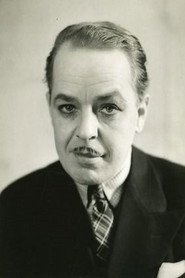
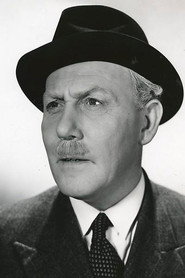
Cast


Frequently Asked Questions
What is Koteletter og kærlighed (1936) about?
This short comedy follows romantic misadventures and domestic humor centered around OMA Margarine, blending lighthearted relationship comedy with promotional storytelling in classic 1930s Danish style.
Who directed Koteletter og kærlighed?
Lau Lauritzen Jr. directed this promotional comedy, bringing his expertise in Danish theatrical and cinematic humor to the short film format.
Who stars in Koteletter og kærlighed?
The film features Osvald Helmuth, Ludvig Brandstrup, Liva Weel, and Sigurd Langberg in key roles, showcasing some of Denmark's most popular comedic performers of the era.
Is Koteletter og kærlighed (1936) worth watching?
At just 14 minutes, this unrated promotional comedy offers a unique window into 1930s Danish filmmaking and advertising culture. While not a traditional feature, fans of early Scandinavian cinema or vintage commercials may find it historically interesting.
How long is Koteletter og kærlighed?
The film runs for 14 minutes, making it a brief but complete comedic experience.
About Koteletter og kærlighed (1936) — Danish Margarine Comedy Short
Koteletter og kærlighed (1936) is a charming Danish short comedy that doubles as an extended promotional piece for OMA Margarine. Directed by the prolific Lau Lauritzen Jr., this 14-minute film showcases the director's signature light touch while serving a commercial purpose. The brief runtime delivers a whimsical slice of 1930s entertainment, featuring the beloved comedic talents of Osvald Helmuth and Ludvig Brandstrup alongside Liva Weel and Sigurd Langberg.
Despite its promotional origins, the film maintains the breezy humor and gentle wit characteristic of Lauritzen's work. Set against the backdrop of Depression-era Denmark, it offers a glimpse into the creative ways brands engaged audiences through cinematic storytelling. The comedy centers on playful romantic entanglements and domestic situations, wrapped in the warm, accessible humor that made these actors household names. While not a conventional feature, it represents an interesting intersection of commerce and artistry in early Danish cinema.
This brief but delightful piece captures the essence of Danish comedic filmmaking in the mid-1930s, making it a curious artifact for film enthusiasts interested in advertising history or the evolution of Scandinavian cinema. Its short format makes it easily digestible for those curious about this unique period in entertainment.