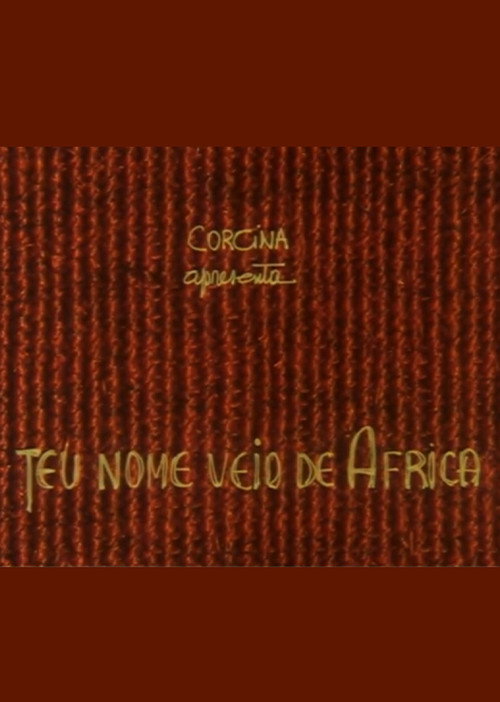
Teu Nome Veio de África 1982
Explore the evocative world of Maria Luiza d'Aboim's 1982 documentary *Teu Nome Veio de África*, a poignant reflection on cultural identity and heritage.
Director: Maria Luiza d'Aboim
Frequently Asked Questions
What is Teu Nome Veio de África (1982) about?
This 1982 documentary delves into the intricate relationship between African heritage and Portuguese identity. It explores personal stories of individuals tracing their roots back to Africa, highlighting themes of displacement, belonging, and cultural resilience. The film serves as both a historical document and a moving tribute to those who carry this legacy.
Who directed Teu Nome Veio de África?
Maria Luiza d'Aboim is the director behind *Teu Nome Veio de África*. Known for her work in documentary filmmaking, d'Aboim crafts narratives that bridge cultural divides and illuminate untold histories.
Who stars in Teu Nome Veio de África?
The documentary features real-life individuals whose personal stories form the heart of the film. While the cast is uncredited, their narratives bring depth and authenticity to the exploration of cultural identity.
Is Teu Nome Veio de África (1982) worth watching?
As a documentary steeped in cultural significance, *Teu Nome Veio de África* offers a rare glimpse into a lesser-explored aspect of Portuguese history. Its thematic richness and emotional resonance make it a thought-provoking watch for history buffs and documentary enthusiasts alike. While it may not have a widely recognized rating, its impact lies in its storytelling rather than commercial appeal.
How long is Teu Nome Veio de África?
Runtime details are not listed for this 1982 documentary.
About Teu Nome Veio de África (1982) — A Cultural Exploration of African Roots in Portugal
Explore the evocative world of Maria Luiza d'Aboim's 1982 documentary *Teu Nome Veio de África*, a poignant reflection on cultural identity and heritage.
This intimate film journeys into the roots of African-Portuguese ancestry, weaving personal narratives with historical depth. Through striking visuals and candid interviews, it captures the essence of belonging and the echoes of a shared past. The atmosphere is haunting yet hopeful, as the documentary bridges generations and continents, making it a compelling watch for those fascinated by cultural legacies and the stories that shape us. A rare gem from the early 1980s, it stands as a testament to the power of documentary storytelling.
Directed by Maria Luiza d'Aboim, the film blends historical context with human emotion, offering a glimpse into a community's struggle for recognition. While the cast remains uncredited, the documentary's focus on collective memory and identity elevates it beyond names and faces.