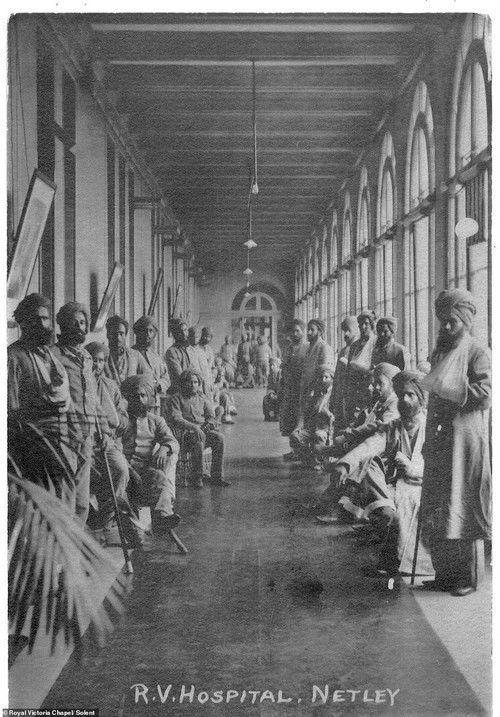
War Neuroses: Netley Hospital, 1917 1917
A haunting glimpse into the human cost of World War I, *War Neuroses: Netley Hospital, 1917* (1917) documents the psychological toll of combat through stark, clinical footage.
Frequently Asked Questions
What is War Neuroses: Netley Hospital, 1917 (1917) about?
This 1917 documentary exposes the psychological devastation of World War I through the experiences of 18 British soldiers suffering from what was then called 'shell-shock.' It captures their symptoms and the experimental treatments administered by two pioneering military neurologists in British hospitals.
Who directed War Neuroses: Netley Hospital, 1917?
Director information is not available.
Who stars in War Neuroses: Netley Hospital, 1917?
The film features 18 unidentified British soldiers, referred to as 'other rankers,' alongside two Royal Army Medical Corps neurologists who treated their conditions.
Is War Neuroses: Netley Hospital, 1917 (1917) worth watching?
While not a traditional drama, this short documentary offers invaluable historical and medical insight into WWI's psychological toll. Its unflinching realism and rarity make it a compelling watch for those interested in early 20th-century medicine or war archives.
How long is War Neuroses: Netley Hospital, 1917?
Runtime details are not listed.
🎥 Trailer
About War Neuroses: Netley Hospital, 1917 (1917) — The earliest footage of shell-shock treatment in WWI
A haunting glimpse into the human cost of World War I, *War Neuroses: Netley Hospital, 1917* (1917) documents the psychological toll of combat through stark, clinical footage. This silent documentary follows 18 British soldiers—identified only as "other rankers"—as they exhibit symptoms of what we now call PTSD, while two pioneering Royal Army Medical Corps neurologists attempt to treat their trauma. Shot in 1917 at two British military hospitals, the film blends medical urgency with a grim realism, capturing the era's limited understanding of mental health in wartime. The stark black-and-white visuals and unflinching portrayal of suffering create an atmosphere of both historical significance and uncomfortable intimacy.
As one of the earliest recorded attempts to address "shell-shock," this short documentary serves as a sobering reminder of the war's invisible wounds. Though stripped of dramatic embellishments, its raw authenticity offers modern viewers a sobering perspective on the psychological scars left by conflict. For historians, medical professionals, or anyone drawn to firsthand accounts of WWI's aftermath, it's a rare and unforgettable document.