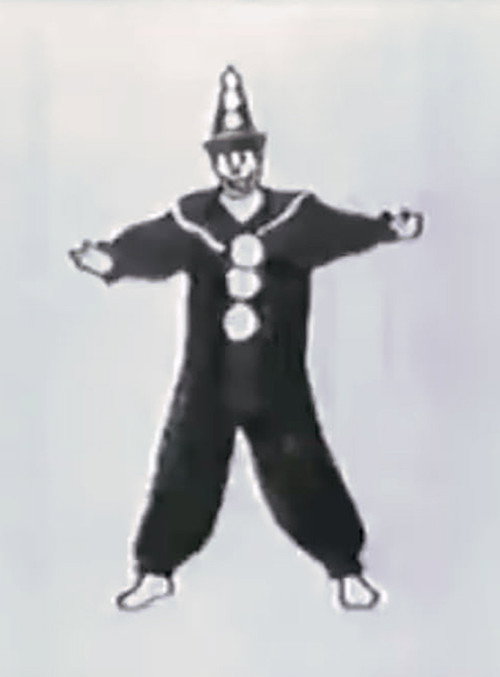
Experiment No. 1 1918
In the pioneering year of 1918, animator Max Fleischer unleashed *Experiment No. 1*, a groundbreaking two-minute spectacle that forever changed the world of animation.
Director: Max Fleischer
Frequently Asked Questions
What is Experiment No. 1 (1918) about?
This 1918 short film introduces Max Fleischer's rotoscope animation technique, blending live-action clown performances with hand-drawn animation. The result is a surreal, fluid dance of artistry that feels decades ahead of its time.
Who directed Experiment No. 1?
Max Fleischer, a visionary animator and inventor, directed *Experiment No. 1*. Known for his groundbreaking work in animation technology, Fleischer's techniques laid the foundation for future cinematic innovations.
Who stars in Experiment No. 1?
The film features Dave Fleischer as the live-action clown, whose movements were rotoscoped by his brother Max. Cast details beyond this are not available.
Is Experiment No. 1 (1918) worth watching?
As one of the earliest examples of rotoscope animation, *Experiment No. 1* is a fascinating watch for animation historians and enthusiasts. While it's a silent, two-minute short with no rating, its technical brilliance makes it a must-see for those curious about the medium's origins.
How long is Experiment No. 1?
The runtime of *Experiment No. 1* is approximately 2 minutes.
About Experiment No. 1 (1918) — The Silent Short That Revolutionized Animation
In the pioneering year of 1918, animator Max Fleischer unleashed *Experiment No. 1*, a groundbreaking two-minute spectacle that forever changed the world of animation. This lost film showcased Fleischer's revolutionary rotoscope technique, a method that blended hand-drawn artistry with live-action motion to create eerily fluid performances. The star of the show was the Clown—a character animated over live footage of Fleischer's brother, Dave, who performed as a clown. The result was a mesmerizing marriage of realism and fantasy, where the boundaries of early animation were pushed beyond their limits. Though brief, the film exudes a playful yet experimental energy, hinting at the future of animated storytelling.
The clown's exaggerated yet lifelike movements captivated audiences, setting the stage for Fleischer's later innovations. The short's experimental nature reflects the dawn of a new creative medium, where artists like Fleischer dared to defy convention. With its minimal runtime, *Experiment No. 1* might seem modest by today's standards, but its historical significance is anything but—it's a vital artifact in the evolution of animation, proving that even the shortest films can leave a lasting legacy.