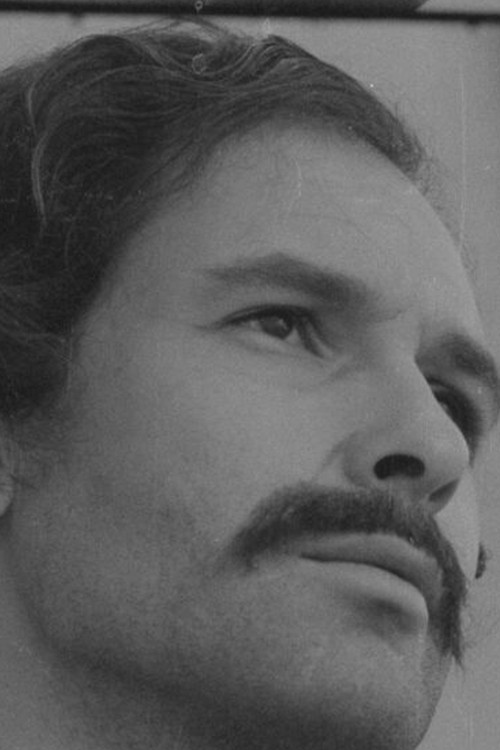
Quién lo hace 1979
"Quién lo hace (1979)" is a gripping short film shot in 16 mm over three years in Colón, marking director Carlos Seijas' introspective exploration of psychological breakdown.
Director: Carlos Seijas
Cast
Frequently Asked Questions
What is Quién lo hace (1979) about?
The film follows a man who becomes the prime suspect in a crime he insists he didn't commit. As the pressure mounts, his grip on reality weakens, and he spirals into a disorienting world of paranoia and self-doubt, questioning who he truly is.
Who directed Quién lo hace?
Carlos Seijas directed this intense short film, bringing a raw, atmospheric style to the story of psychological unraveling.
Who stars in Quién lo hace?
The film features Miguel Ángel Bazzuri, Heraldo Otero, Mario Bazzuri, Daniel Argüello, and Daniel Caffaratti in key roles.
Is Quién lo hace (1979) worth watching?
While unrated on IMDb, the film's haunting atmosphere and tight 22-minute runtime make it a compelling watch for fans of psychological thrillers. Its exploration of identity and paranoia feels timeless, even if its niche style isn't for everyone.
How long is Quién lo hace?
The film runs for approximately 22 minutes.
About Quién lo hace (1979) — A Psychological Descent into Paranoia and Identity
"Quién lo hace (1979)" is a gripping short film shot in 16 mm over three years in Colón, marking director Carlos Seijas' introspective exploration of psychological breakdown. The story follows a man thrust into turmoil when falsely accused of a crime, his grip on reality slipping as paranoia distorts his perception of truth and identity. Filled with tense silences and shadowy visuals, the film immerses viewers in a claustrophobic mental landscape where every shadow feels like a threat and doubt creeps into every thought.
With a runtime of just 22 minutes, Seijas crafts a compact yet intense experience, blending existential dread with raw emotional intensity. The atmosphere is thick with uncertainty, blurring the line between guilt and innocence, sanity and madness. It's a story about the fragility of the human mind under pressure—a snapshot of crisis that lingers long after the credits roll.