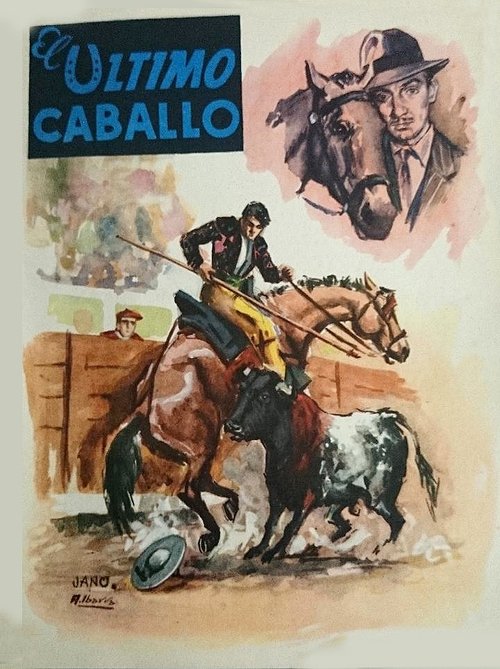
The Last Horse 1950
Directed by Spanish master Edgar Neville, *The Last Horse (1950)* follows Fernando Fernán Gómez as a returning soldier who clings to familiarity in post-war Madrid by bringing home the horse that stood by him during his service.
Director: Edgar Neville
Cast



Frequently Asked Questions
What is The Last Horse (1950) about?
A returning soldier buys the military horse that stood by him during service, hoping to find stability in post-war Madrid. But the city has changed drastically, and his plans quickly unravel as he struggles to balance duty with the practicalities of caring for his horse.
Who directed The Last Horse?
The film was directed by Edgar Neville, a celebrated Spanish filmmaker known for his sharp comedies and dramas grounded in social observation.
Who stars in The Last Horse?
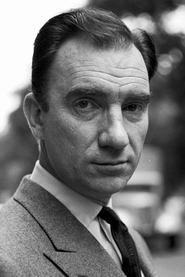
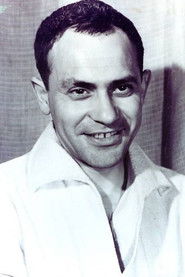
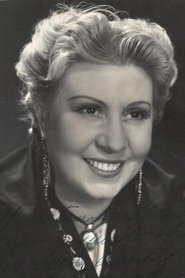
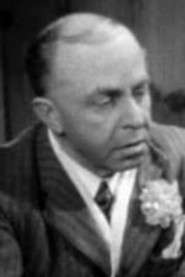
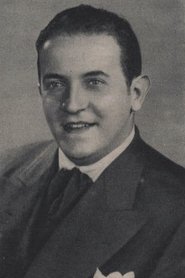
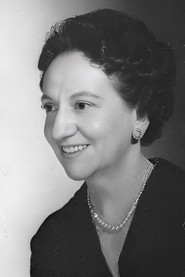
The cast is led by Fernando Fernán Gómez alongside Conchita Montes, José Luis Ozores, Mary Lamar, and Julia Lajos.
Is The Last Horse (1950) worth watching?
Though unrated on IMDb, *The Last Horse* is a charming, understated drama with comedic undertones that offers a slice-of-life glimpse into 1950s Spain. Its themes of nostalgia and adaptation resonate universally, making it a hidden gem for fans of classic character-driven cinema.
How long is The Last Horse?
The runtime for *The Last Horse* is 85 minutes.
🎥 Trailer
About The Last Horse (1950) — A Soldier's Bittersweet Reunion with His Past
Directed by Spanish master Edgar Neville, *The Last Horse (1950)* follows Fernando Fernán Gómez as a returning soldier who clings to familiarity in post-war Madrid by bringing home the horse that stood by him during his service. Yet the city he left has transformed beyond recognition, leaving him struggling to find stables or even time to care for Bucéfalo. Amid the chaos of reconstruction, Fernando must navigate bureaucracy, shifting priorities, and his own fading idealism while deciding whether to hold onto the past or adapt to an uncertain future.
A gentle blend of heartfelt drama and dry wit, *The Last Horse (1950)* captures the bittersweet tension between nostalgia and progress, all wrapped in Neville's signature observational humor. The film's Madrid setting serves as more than a backdrop—it mirrors Fernando's disorientation, a once-familiar world now estranged. With its understated performances and keen eye for social nuance, the movie offers a poignant, low-key portrayal of resilience and change in a society rebuilding itself from the ground up.