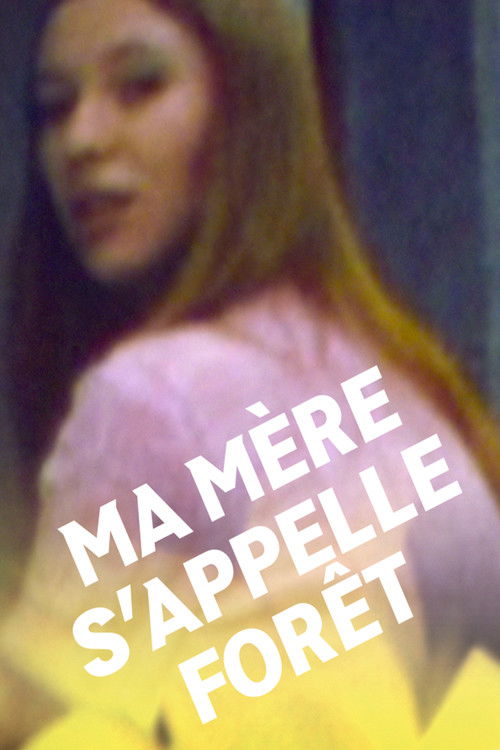
My Mother's Name is Forest 2013
My Mother's Name is Forest (2013) is a tender, visually poetic documentary by filmmaker Rachel Noël, weaving together personal memory and generational history.
Director: Rachel Noël
Frequently Asked Questions
What is My Mother's Name is Forest (2013) about?
This documentary explores the filmmaker's childhood in the Netherlands and Switzerland through Super 8 footage and personal narration. It merges intimate family moments with broader reflections on women's history and the passage of time.
Who directed My Mother's Name is Forest?
The film was directed by Rachel Noël, a documentarian known for her introspective and visually rich storytelling style.
Who stars in My Mother's Name is Forest?
The documentary follows the filmmaker's family, including herself as a child, her brothers, and her parents, framed through found and archival footage.
Is My Mother's Name is Forest (2013) worth watching?
Though unrated on IMDb, this 59-minute documentary offers a poignant, visually engaging exploration of identity and family. Its poetic approach and nostalgic tone make it a unique watch for fans of personal documentary filmmaking.
How long is My Mother's Name is Forest?
The film runs for 59 minutes.
My Mother's Name is Forest: A Lyrical Portrait of Family and Memory — Full Info
My Mother's Name is Forest (2013) is a tender, visually poetic documentary by filmmaker Rachel Noël, weaving together personal memory and generational history. Through a patchwork of Super 8 footage and voiceover, it traces the early life of a Dutch girl growing up between the Netherlands and Switzerland, surrounded by family, nature, and quiet rebellion.
The film blends intimate home movies—featuring the filmmaker's red-haired childhood self, her brothers, and her parents—with broader themes of womanhood, identity, and resilience. Noël stitches together flower fields, animal encounters, and political rallies into a quiet tapestry of nostalgia, where the personal becomes a lens for understanding societal change and familial bonds. The result is a lyrical, intimate portrait of growing up in the late 20th century, where every frame feels like a love letter to the past.