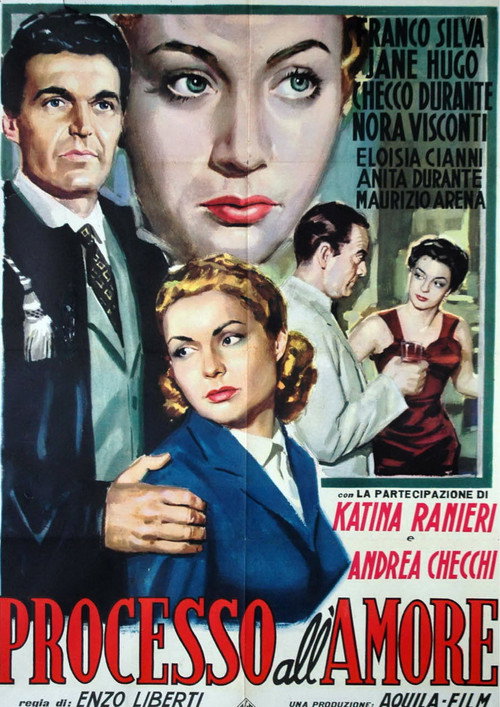
Processo all'amore 1956
In the heart of 1950s Italy, *Processo all'amore (1956)* weaves a delicate tapestry of romance, longing, and societal expectations.
Director: Enzo Liberti
Cast
Frequently Asked Questions
What is Processo all'amore (1956) about?
The film follows a series of interconnected love stories set in post-war Italy, where characters navigate societal pressures and personal desires. At its core, it's a tale of romance under scrutiny, exploring how love can both unite and divide in a changing world.
Who directed Processo all'amore?
Enzo Liberti directed the film, bringing a nuanced perspective to the romantic drama with his storytelling finesse.
Who stars in Processo all'amore?
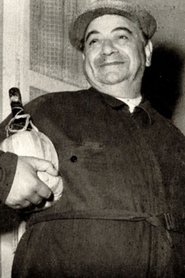
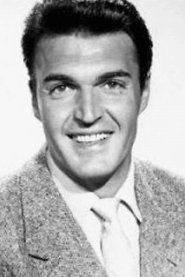
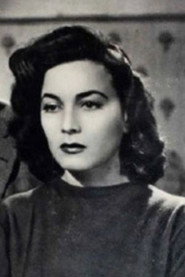
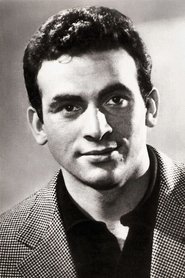
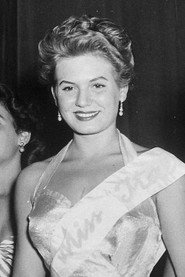
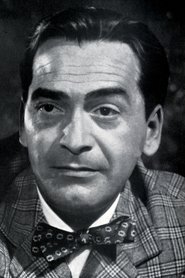
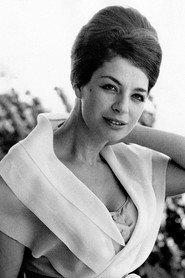
The film features Checco Durante, Jane Hugo, Franco Silva, Anita Durante, and Maurizio Arena among its key cast members, each contributing to its emotional depth.
Is Processo all'amore (1956) worth watching?
While not a household name, *Processo all'amore* offers a charming snapshot of mid-century romance with solid performances and relatable themes. It's a modest but engaging watch for fans of classic Italian cinema and romantic dramas.
How long is Processo all'amore?
Runtime details are not listed.
About Processo all'amore (1956) — A Glimpse into 1950s Romance and Society
In the heart of 1950s Italy, *Processo all'amore (1956)* weaves a delicate tapestry of romance, longing, and societal expectations. Directed by Enzo Liberti, this black-and-white gem captures the tension between tradition and the burgeoning modern world, where love is both a celebration and a battleground. Checco Durante and Jane Hugo lead the cast with performances that blend charm and depth, embodying characters caught in the whirlwind of emotional and relational complexities. The film's atmosphere is intimate yet charged, reflecting the era's fascination with relationships and the consequences of defying societal norms.
Set against the backdrop of post-war Italy, *Processo all'amore* explores themes of loyalty, sacrifice, and the cost of following one's heart. Franco Silva and Anita Durante add layers to the narrative, their interactions highlighting the generational divide in attitudes toward love and duty. Liberti's direction ensures a balance between lighthearted moments and poignant reflections on human connections, making this a film that lingers in the mind long after the credits roll.