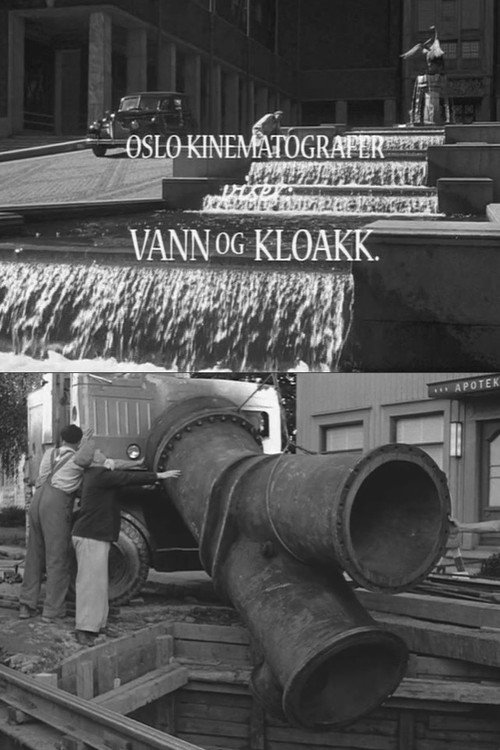
Oslofilm: Vann og kloakk 1953
Dive into Oslofilm: Vann og kloakk (1953), a concise yet fascinating 14-minute documentary directed by Edith Carlmar. This short film sheds light on the hidden lifelines of Oslo, tracing the journey of water from its natural sources to the city's intricate sewerage network.
Director: Edith Carlmar
Frequently Asked Questions
What is Oslofilm: Vann og kloakk (1953) about?
This 14-minute documentary explores Oslo's water infrastructure, showcasing where the city's water originates and how it flows through both supply and sewage systems. A snapshot of postwar Norwegian urban life, the film highlights the critical role of water in industry and households.
Who directed Oslofilm: Vann og kloakk?
Director Edith Carlmar, a trailblazer in Norwegian cinema, helmed Oslofilm: Vann og kloakk.
Who stars in Oslofilm: Vann og kloakk?
Cast details for this documentary are not listed, as it focuses on the city's infrastructure rather than performers.
Is Oslofilm: Vann og kloakk (1953) worth watching?
While not a traditional narrative film, Oslofilm: Vann og kloakk offers a unique glimpse into postwar Oslo's civic systems. Its historical and educational value makes it a worthy watch for fans of short documentaries or urban history.
How long is Oslofilm: Vann og kloakk?
Oslofilm: Vann og kloakk runs for 14 minutes.
Oslofilm: Vann og kloakk (1953) — A Short Documentary on Oslo's Water Systems
Dive into Oslofilm: Vann og kloakk (1953), a concise yet fascinating 14-minute documentary directed by Edith Carlmar. This short film sheds light on the hidden lifelines of Oslo, tracing the journey of water from its natural sources to the city's intricate sewerage network. In a post-war Norway, where infrastructure was rapidly evolving, the film captures the intersection of public health and urban development. With a tone that blends education and civic pride, it reveals how water—both a vital resource and a challenge—shaped the daily lives of Oslo's citizens. The black-and-white visuals and methodical pacing evoke a sense of nostalgia, offering a window into mid-century municipal ingenuity.
Edith Carlmar, one of Norway's pioneering female directors, crafts a film that's as much about civic duty as it is about technical precision. While the cast remains uncredited, this Oslofilm short stands out for its clarity and purpose, making it a compelling watch for history and urban planning enthusiasts alike.