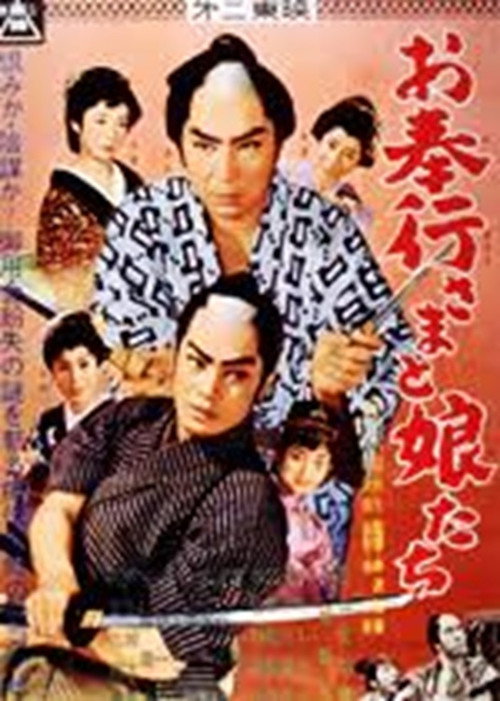
Obugyō-sama to musume-tachi 1961
Step into the world of *Obugyō-sama to musume-tachi* (1961), a gentle yet evocative Japanese film directed by Masahiko Izawa.
Director: Masahiko Izawa
Cast

Frequently Asked Questions
What is Obugyō-sama to musume-tachi (1961) about?
This 1961 Japanese film explores the life of a dedicated father raising his daughters in a changing society, blending discipline with deep affection. Through quiet moments and seasonal shifts, it portrays the delicate balance between tradition and personal dreams.
Who directed Obugyō-sama to musume-tachi?
The film was directed by Masahiko Izawa, known for his nuanced storytelling in mid-century Japanese cinema.
Who stars in Obugyō-sama to musume-tachi?
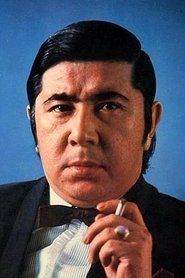
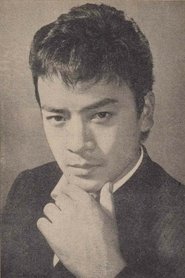
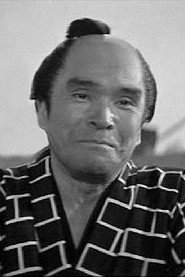
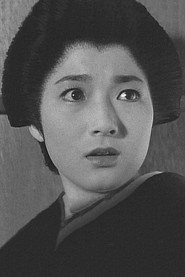
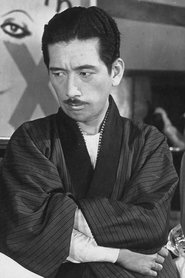
The film features Tomisaburō Wakayama, Shingo Yamashiro, Shinobu Chihara, Mitsuko Nagai, and Hiroshi Tachihara in key roles.
Is Obugyō-sama to musume-tachi (1961) worth watching?
Though modest in runtime, the film's emotional depth and historical context make it a rewarding watch for fans of classic Japanese cinema. Its themes of family and duty transcend time, offering a quietly powerful experience.
How long is Obugyō-sama to musume-tachi?
The film runs for 83 minutes.
About Obugyō-sama to musume-tachi (1961) — A Father's Journey Through Post-War Japan
Step into the world of *Obugyō-sama to musume-tachi* (1961), a gentle yet evocative Japanese film directed by Masahiko Izawa. Centered on family dynamics in post-war Japan, the story follows a stern but devoted father navigating the complexities of raising his daughters with both discipline and love. As the seasons change, so do the challenges he faces, blending quiet introspection with subtle emotional tension. The film's black-and-white palette and restrained pacing create an atmosphere of nostalgia and quiet reflection, making it a standout in early 1960s Japanese cinema.
Starring the legendary Tomisaburō Wakayama alongside Shingo Yamashiro and Shinobu Chihara, *Obugyō-sama to musume-tachi* offers a rare glimpse into the interplay between tradition and modernity. While the original genre remains unspecified, its themes of fatherhood, duty, and familial bonds resonate with the warmth of classical Japanese storytelling. Whether you're a fan of period dramas or cinematic gems hidden in time, this film promises a moving experience.