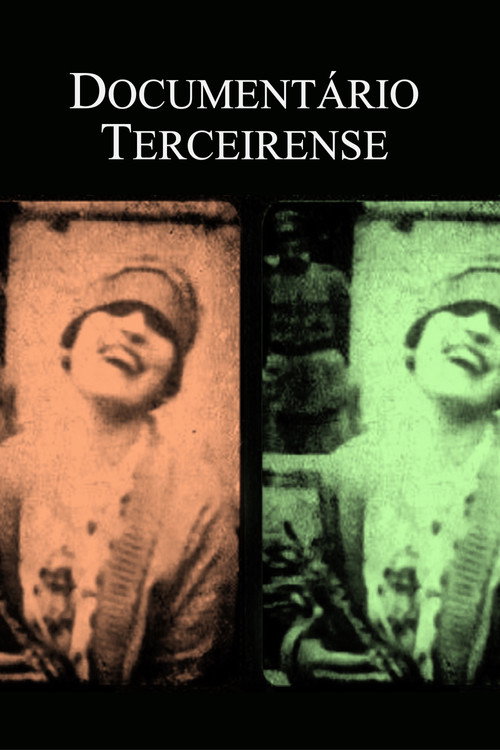
Documentário Terceirense 1927
Step back to 1927 with one of the Azores' earliest cinematic treasures, Documentário Terceirense (1927), a silent urban portrait of Angra do Heroísmo captured by António Luís Lourenço da Costa.
Director: António Luís Lourenço da Costa
Frequently Asked Questions
What is Documentário Terceirense (1927) about?
This 47-minute silent documentary immerses viewers in the streets, markets, and waterfronts of Angra do Heroísmo, capturing the daily rhythm of life on Terceira Island in the early 20th century. It's less a story and more a visual snapshot, offering a rare window into the region's culture, architecture, and community life during the 1920s.
Who directed Documentário Terceirense?
António Luís Lourenço da Costa, a Terceira-born photographer and filmmaker known locally as "photographer Lourenço."
Who stars in Documentário Terceirense?
Director António Luís Lourenço da Costa leads a cast absent of actors; the film's stars are the city of Angra do Heroísmo and its people.
Is Documentário Terceirense (1927) worth watching?
As the earliest known Azorean film, Documentário Terceirense offers undeniable historical value, especially for silent-film enthusiasts or those fascinated by regional Portuguese heritage. While it lacks modern pacing, its charm lies in its authenticity and the intimate portrait it paints of a bygone era.
How long is Documentário Terceirense?
The film runs for 47 minutes.
Documentário Terceirense (1927): Silent Azores Moments — Full Movie Info
Step back to 1927 with one of the Azores' earliest cinematic treasures, Documentário Terceirense (1927), a silent urban portrait of Angra do Heroísmo captured by António Luís Lourenço da Costa. Often hailed as the "first Azorean film," this short documentary glides through sunlit streets, historic plazas, and bustling markets, offering a time-capsule glimpse into daily life on Terceira Island. The lens lingers on cobblestone alleys and colonial facades, blending local pride with a quiet, almost lyrical curiosity. Shot by the island's own "photographer Lourenço," it's less a narrative and more a visual love letter—crisp frames and gentle pacing evoke nostalgia without sentimentality, making it a fascinating watch for history and film enthusiasts alike.
Though stripped of dialogue, Documentário Terceirense speaks volumes through its imagery: the rhythm of a city waking up, the interplay of light on waterfronts, and the unhurried pulse of early 20th-century Terceira. As a cultural artifact, it bridges past and present, revealing how little—and how much—has changed on the island. Its 47-minute runtime feels just right: long enough to savor the details, short enough to leave you eager to explore more. For those drawn to pre-code cinema or regional histories, Lourenço's work is a quiet revelation worth experiencing on its own terms.