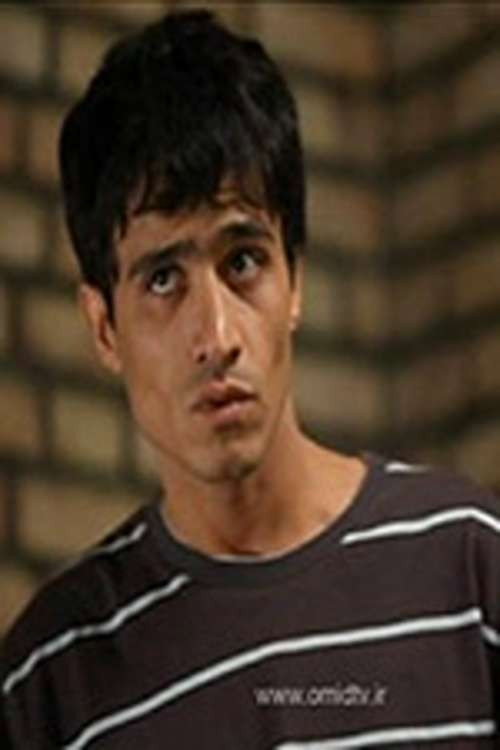
An Elegy for Morteza 2012
In "An Elegy for Morteza (2012)", director Saeed Daryadel crafts a poignant drama woven around the fragile bond between two brothers, Morteza and Jafar.
Director: Saeed Daryadel
Cast


Frequently Asked Questions
What is An Elegy for Morteza (2012) about?
The film follows Morteza, a young man with borderline personality traits, whose life spirals when his brother Jafar marries. As family tensions rise and loyalties are tested, Morteza's emotional reliance on Jafar intensifies, leading to a heartbreaking exploration of love, dependence, and the fractures in their relationship.
Who directed An Elegy for Morteza?
Saeed Daryadel directed this emotionally charged drama, known for his ability to capture intimate, character-driven stories.
Who stars in An Elegy for Morteza?
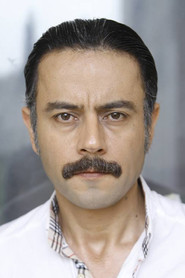
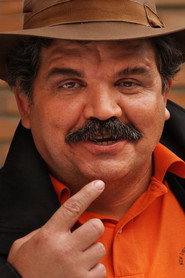
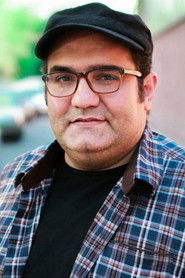
The film features Hossein Soleimani as Morteza, alongside Rahim Norouzi as Jafar, with Hadiseh Tehrani, Kianush Gerami, and Mir Taher Mazloomi rounding out the principal cast.
Is An Elegy for Morteza (2012) worth watching?
Though unrated on IMDb, this drama offers a compelling, if heavy, character study for fans of psychological family dramas. Its themes of love and sacrifice, along with strong performances, make it a thought-provoking watch for those interested in nuanced human relationships.
How long is An Elegy for Morteza?
An Elegy for Morteza runs for 103 minutes.
An Elegy for Morteza (2012): A Brother's Devotion — Full Movie Info
In "An Elegy for Morteza (2012)", director Saeed Daryadel crafts a poignant drama woven around the fragile bond between two brothers, Morteza and Jafar. Morteza, grappling with a borderline personality condition, finds himself trapped in a deep emotional dependency on Jafar, whose life takes a new turn when he marries. The story unfolds with raw intensity as family dynamics shift, revealing the complexities of love, sacrifice, and sacrifice. Hadiseh Tehrani and Rahim Norouzi deliver standout performances, grounding the film's emotional core in their portrayals of the women who become unwitting catalysts for the brothers' unraveling. The film's atmosphere is one of quiet despair, where every glance and whispered word carries the weight of unspoken desires and looming loss.
Said within the quiet confines of a family home, the narrative peels back layers of psychological strain, exploring how dependence can curdle into obsession. Daryadel's direction leans into naturalistic storytelling, avoiding melodrama while exposing the raw edges of human connection. The film's power lies in its restraint—never resorting to easy answers, it lingers in the spaces between words, where the true tragedy of Morteza's condition quietly unfolds.