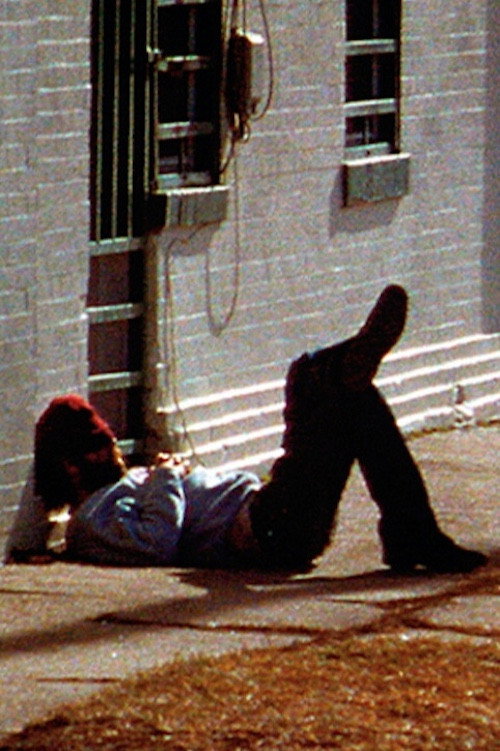
Midwest 2002
Rosalind Nashashibi's *Midwest (2002)* offers an intimate, atmospheric snapshot of life in Omaha, Nebraska, where the camera lingers on the quiet rhythms of a town caught between stagnation and unspoken anticipation.
Director: Rosalind Nashashibi
Frequently Asked Questions
What is Midwest (2002) about?
*Midwest (2002)* is a short film that immerses viewers in the daily life of Omaha, Nebraska, where the director captures the quiet disconnection and subtle tensions of a town seemingly stuck in time. Through candid shots of locals and lingering scenes of urban decay, the film explores themes of isolation and quiet hope in a rapidly changing world.
Who directed Midwest?
Rosalind Nashashibi directed *Midwest*. Known for her evocative visual storytelling, Nashashibi's work often blends documentary realism with poetic introspection.
Who stars in Midwest?
The cast of *Midwest* consists of local residents of Omaha, Nebraska, whose real-life routines and interactions form the heart of the film.
Is Midwest (2002) worth watching?
Though unrated and experimental in nature, *Midwest (2002)* is a compelling watch for fans of atmospheric, slice-of-life cinema. Its short runtime and meditative pace make it ideal for viewers who appreciate understated, thought-provoking films that focus on mood and setting over plot.
How long is Midwest?
The runtime for *Midwest* is 12 minutes.
About Midwest (2002) — Rosalind Nashashibi's poignant short film on small-town America
Rosalind Nashashibi's *Midwest (2002)* offers an intimate, atmospheric snapshot of life in Omaha, Nebraska, where the camera lingers on the quiet rhythms of a town caught between stagnation and unspoken anticipation. Shot over the course of an artist residency, this 12-minute short film drifts from sunlit streets to dimly lit cafés, capturing groups of locals—some loitering, others lost in thought—as they navigate a landscape of peeling houses and weathered cars. The monochrome palette and deliberate pacing amplify the film's melancholic undercurrent, painting a portrait of a community suspended in time, where every glance and gesture hints at something lingering beneath the surface.
With a keen eye for the mundane, Nashashibi transforms everyday moments into a poignant meditation on place, memory, and the quiet resilience of small-town life. *Midwest (2002)* isn't just a documentary; it's a mood piece that invites viewers to read between the lines of ordinary existence.