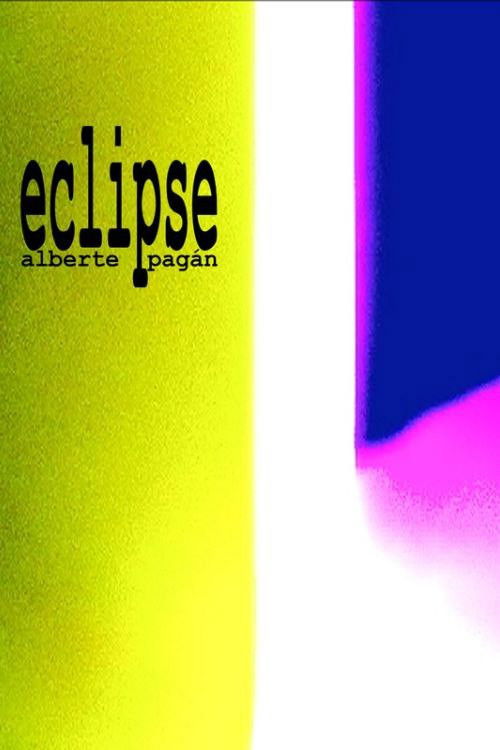
Eclipse 2010
Eclipse (2010), directed by Alberte Pagán, is a mesmerizing 20-minute short film that explores the eternal dance between life and nature's cyclical rhythms.
Director: Alberte Pagán
Frequently Asked Questions
What is Eclipse (2010) about?
Eclipse (2010) reimagines the biblical tale of Adam and Eve, framing the 'forbidden fruit' not as a temptation but as a catalyst for enlightenment. The film weaves this narrative into the natural cycle of life, death, and rebirth, using the solar eclipse as a metaphor for transformation and the passage of time.
Who directed Eclipse?
Eclipse was directed by Alberte Pagán, a filmmaker known for his experimental approach and dedication to analog filmmaking techniques.
Who stars in Eclipse?
Cast details for Eclipse (2010) are not listed, as the film focuses more on visual storytelling than traditional performances.
Is Eclipse (2010) worth watching?
While Eclipse (2010) is unrated on IMDb, its artistic ambition and unique visual style make it a compelling watch for fans of experimental cinema. The film's 20-minute runtime is packed with symbolism and natural beauty, though its abstract nature may not appeal to all viewers.
How long is Eclipse?
Eclipse (2010) has a runtime of 20 minutes.
Eclipse (2010): An Analog Poem of Light and Human Wisdom — Full Movie Info
Eclipse (2010), directed by Alberte Pagán, is a mesmerizing 20-minute short film that explores the eternal dance between life and nature's cyclical rhythms. Shot entirely through analog camera mechanics, the movie captures the raw beauty of light and color as Earth orbits the sun, offering a poetic reinterpretation of the Adam and Eve myth. Without a single pixel of digital trickery, Pagán crafts a baroque symphony of visuals that feels both timeless and deeply personal, inviting viewers to reflect on wisdom, evolution, and the fleeting yet profound moments that define our existence.
At its heart, Eclipse (2010) is a meditation on how knowledge transforms us—not as a curse, but as an awakening. The film's stark minimalism amplifies its themes, turning a simple celestial event into a profound allegory for human growth. The interplay of natural light and shadow, devoid of modern interference, lends an air of authenticity and intimacy, making it a standout in experimental cinema.