Mountain Pass 1957
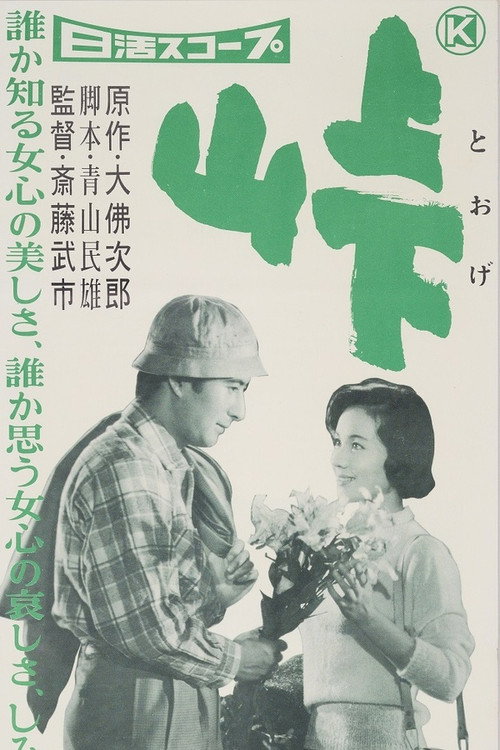
Dive into the dramatic depths of *Mountain Pass (1957)*, a compelling adaptation of Jirō Osaragi's novel directed by Buichi Saitō.
Director: Buichi Saitō
Cast

Yōko Minamida
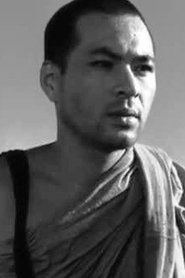
Shōji Yasui
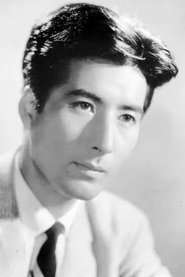
Ryōji Hayama

Jūkichi Uno
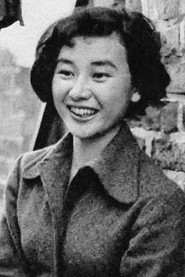
Misako Watanabe
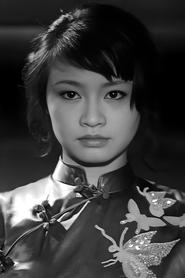
Sanae Nakahara
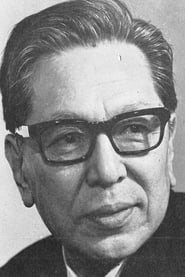
Masao Shimizu
Frequently Asked Questions
What is Mountain Pass (1957) about?
This period drama follows a group of villagers in rural Japan as they face personal and societal upheavals, exploring themes of duty, sacrifice, and the quiet battles within tradition-bound communities.
Who directed Mountain Pass?
Buichi Saitō helmed this 1957 release, bringing a nuanced visual style and emotional depth to the adaptation of Jirō Osaragi's novel.
Who stars in Mountain Pass?
The film features a talented ensemble led by Yōko Minamida, Shōji Yasui, and Ryōji Hayama, with Misako Watanabe and Sanae Nakahara rounding out the principal cast.
Is Mountain Pass (1957) worth watching?
While *Mountain Pass* isn't a household name, its rich character drama and authentic 1950s Japanese atmosphere make it a rewarding watch for fans of historical cinema. The film's themes of human resilience are universal, even if its obscurity adds to its charm.
How long is Mountain Pass?
The film runs for 97 minutes, offering a concise yet immersive narrative experience.
About Mountain Pass (1957) — A Forgotten 1950s Japanese Drama of Love and Tradition
Dive into the dramatic depths of *Mountain Pass (1957)*, a compelling adaptation of Jirō Osaragi's novel directed by Buichi Saitō. Set against the stark backdrop of rural Japan, this period drama weaves a story of human resilience, societal pressures, and the quiet struggles hidden beneath tradition's surface. Yōko Minamida and Shōji Yasui lead a stellar cast, embodying characters torn between duty and personal longing, while the film's somber tone and rich character studies linger long after the credits roll.
*Mountain Pass* captures a moment in time when progress clashes with the old ways, painting a portrait of ordinary people navigating extraordinary circumstances. The black-and-white cinematography lends an air of timelessness, allowing the emotional weight of each scene to unfold with quiet intensity. A lesser-known gem from 1950s Japanese cinema, this drama offers more than just historical curiosity—it's a deeply human story about sacrifice, love, and the unspoken bonds that unite communities.