
Catherine de Médicis 1989
"History, Biography, France, 16th Century, TV Movie"
Dive into the turbulent 16th-century France with *Catherine de Médicis (1989)*, a sweeping two-part TV drama directed by Yves-André Hubert.
Director: Yves-André Hubert
Cast

Frequently Asked Questions
What is Catherine de Médicis (1989) about?
This two-part TV movie chronicles the reign of Catherine de Medici during France's late 16th-century religious wars. It follows her struggle to protect her sons' claim to the throne while trying to unite a kingdom torn apart by violent factionalism, offering a more nuanced take on her controversial legacy.
Who directed Catherine de Médicis?
Yves-André Hubert directed *Catherine de Médicis (1989)*, bringing a thoughtful, character-driven approach to this historical epic.
Who stars in Catherine de Médicis?
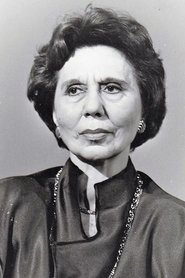
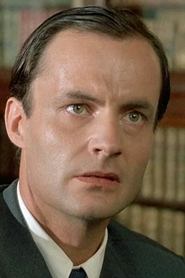
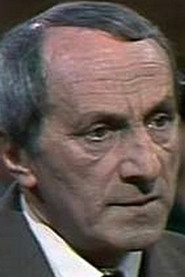
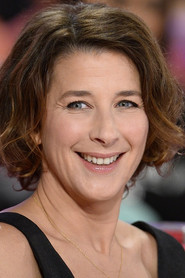
The film stars Alice Sapritch in the title role, with Vincent Gauthier, André Thorent, Jean Dalric, and Isabelle Gélinas rounding out the principal cast.
Is Catherine de Médicis (1989) worth watching?
While it's not widely rated on IMDb, this TV movie stands out for its thoughtful portrayal of a complex historical figure. Fans of period dramas and character-driven historical narratives will likely find it rewarding, especially those interested in the Wars of Religion and royal intrigue.
How long is Catherine de Médicis?
The film runs for 164 minutes, presented as a two-part television event.
About Catherine de Médicis (1989) — A Revealing TV Drama on a Queen's Fight for France
Dive into the turbulent 16th-century France with *Catherine de Médicis (1989)*, a sweeping two-part TV drama directed by Yves-André Hubert. The film immerses viewers in the chaos of religious wars that tore France apart, framing Catherine de Medici's relentless efforts to hold together a fractured kingdom for her sons. Alice Sapritch delivers a commanding performance, breathing new life into a historical figure often maligned by history as a scheming powerbroker. The atmospheric narrative explores themes of resilience, political cunning, and the blurred lines between duty and ruthlessness, all set against a backdrop of opulent palaces and shadowy corridors of power.
This understated yet powerful production reimagines Catherine not as a villainess, but as a pragmatic matriarch navigating impossible choices to preserve the French monarchy. With meticulous attention to period detail and a focus on the human cost of statecraft, *Catherine de Médicis (1989)* offers a compelling reappraisal of one of history's most misunderstood figures.