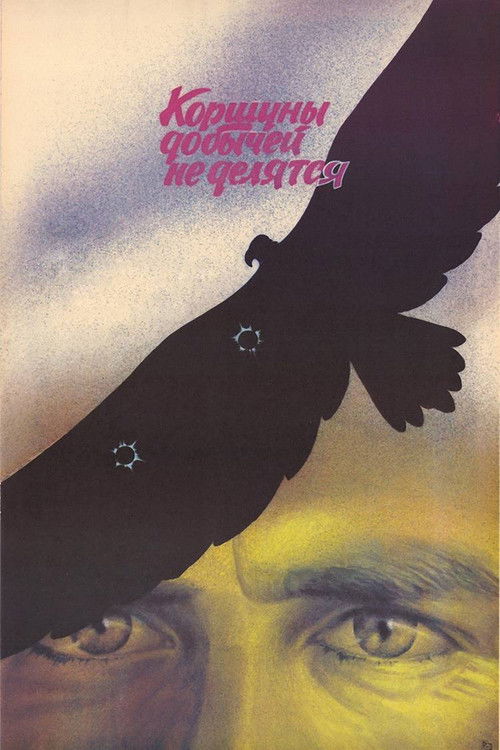
Kites Don't Share Their Prey 1989
Set in a bleak Moldovan village during the late 1940s, *Kites Don't Share Their Prey* plunges viewers into a high-stakes moral conflict where loyalty is tested on every side.
Director: Valeriu Gagiu
Cast



Frequently Asked Questions
What is Kites Don't Share Their Prey (1989) about?
This Soviet-era thriller follows Andrei Brume, a young MGB lieutenant and Komsomol member, as he battles a notorious criminal gang in a Moldovan village during the late 1940s. The film explores the dual threats facing the community—violent raids by outlaws and coercive state demands—while examining the moral dilemmas of a people trapped between fear and defiance.
Who directed Kites Don't Share Their Prey?
Valeriu Gagiu directed *Kites Don't Share Their Prey*, crafting a tense and atmospheric narrative steeped in Soviet-era realism and moral complexity.
Who stars in Kites Don't Share Their Prey?
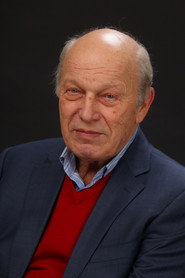
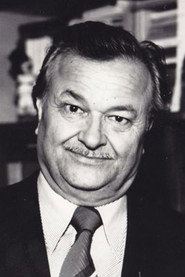
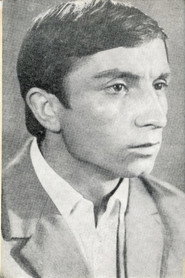
The film features Nicolae Girlea, Lyubov Polishchuk, Boris Bechet, Gheorghe Grâu, and Larisa Shakhvorostova in pivotal roles.
Is Kites Don't Share Their Prey (1989) worth watching?
While unrated on IMDb, *Kites Don't Share Their Prey* offers a raw and atmospheric take on Soviet-era crime and resistance, ideal for fans of historical thrillers. Its gritty realism and moral dilemmas make it a compelling, if overlooked, entry in Moldovan cinema.
How long is Kites Don't Share Their Prey?
The film runs for 136 minutes.
About Kites Don't Share Their Prey (1989) — A Soviet-era thriller of betrayal, crime, and resistance in Moldovan cinema
Set in a bleak Moldovan village during the late 1940s, *Kites Don't Share Their Prey* plunges viewers into a high-stakes moral conflict where loyalty is tested on every side. Valeriu Gagiu directs this gripping blend of action, history, and crime, following Andrei Brume—a Komsomol member, MGB lieutenant, and university student—as he wages a desperate fight against a ruthless criminal gang led by the elusive Stratan. The tension escalates as villagers face relentless pressure from both armed outlaws and the state's own oppressive tactics, disguised under the euphemism of a 'state loan.' With each raid and extortion scheme, the line between justice and survival blurs, creating an atmosphere thick with dread and moral ambiguity. The film's stark realism and unflinching portrayal of a community caught in the crossfire make it a compelling study of resilience in the face of systemic brutality.
Moldovan cinema rarely delivers a story this intense, where every character—from the hardened chairman Maria Josan to the cunning gang members—is driven by desperation. Gagiu's direction amplifies the gritty tension, weaving a tale where trust is as scarce as the prey these kites refuse to share. Shot through with themes of betrayal, duty, and the cost of resistance, the film stands as a haunting reminder of how quickly humanity erodes under the weight of ideology and violence.