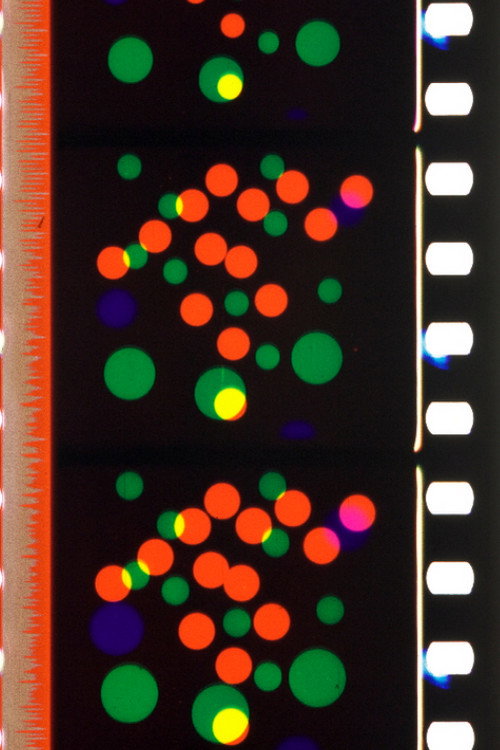
Circles 1933
Step into the avant-garde universe of *Circles (1933)*, a pioneering animated short that dazzled European audiences as one of the first color films crafted with the revolutionary Gaspar Color process.
Director: Oskar Fischinger
Frequently Asked Questions
What is Circles (1933) about?
This experimental short film explores the dynamic beauty of circles in motion through vibrant, abstract visuals. It focuses on rhythmic shapes and color transitions rather than a traditional narrative, creating a mesmerizing visual experience.
Who directed Circles?
Circles was directed by Oskar Fischinger, a trailblazing figure in abstract animation known for his innovative techniques and contributions to early experimental film.
Who stars in Circles?
Cast details for Circles (1933) are not listed, as it is an abstract animated work.
Is Circles (1933) worth watching?
While it's a niche film, *Circles* is absolutely worth watching for fans of experimental cinema and early animation. Its groundbreaking use of color and motion makes it a fascinating historical artifact and a visually stunning experience.
How long is Circles?
Circles runs for 3 minutes.
About Circles (1933) — The Pioneering Abstract Animation That Redefined Early Cinema
Step into the avant-garde universe of *Circles (1933)*, a pioneering animated short that dazzled European audiences as one of the first color films crafted with the revolutionary Gaspar Color process. Directed by the visionary Oskar Fischinger, this three-minute masterpiece transforms abstract shapes and fluid motion into a hypnotic dance of color and rhythm. Its geometric compositions pulse with energy, blending mathematical precision with pure artistic expression to create a mesmerizing visual symphony that feels decades ahead of its time.
Oskar Fischinger's *Circles* isn't just a technical marvel—it's a bold experiment in cinematic storytelling, stripping away narrative to focus on the hypnotic interplay of form, movement, and hue. The film's dreamlike atmosphere lingers long after the credits roll, offering a captivating glimpse into the dawn of abstract animation. Though it may lack a traditional plot, its rhythmic elegance and groundbreaking technique make it a must-see for lovers of experimental art and early cinema alike.