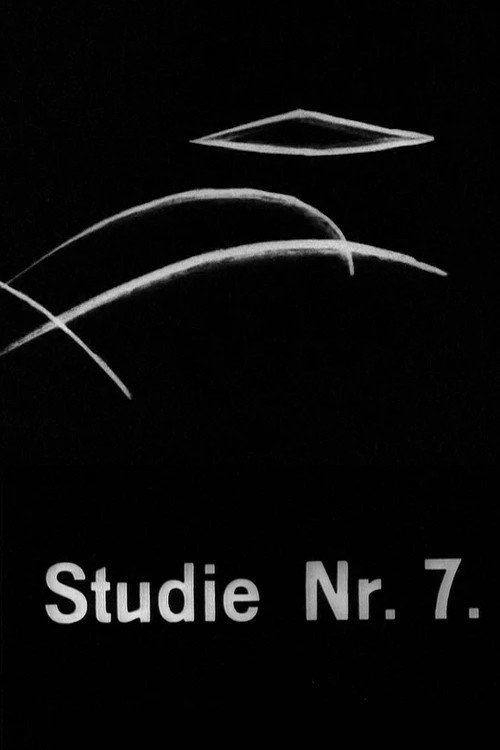
Study No. 7 1931
Study No. 7 (1931) is an experimental animation short by Oskar Fischinger that transforms the geometric patterns of his earlier Study No. 6 into a mesmerizing dance of shapes set to Brahms' 5th Hungarian Dance.
Director: Oskar Fischinger
Frequently Asked Questions
What is Study No. 7 (1931) about?
Study No. 7 is an experimental animation that visualizes Brahms' 5th Hungarian Dance through dynamic, moving shapes. The film builds on earlier experiments, transforming abstract forms into a rhythmic ballet of color and light.
Who directed Study No. 7?
Study No. 7 was directed by Oskar Fischinger, a pioneering figure in abstract animation and visual music whose work bridged the gap between art and cinema.
Who stars in Study No. 7?
Director information is not available for the cast of Study No. 7, as it is an abstract animation without performers.
Is Study No. 7 (1931) worth watching?
While Study No. 7 is a niche experimental short, its historical significance and artistic innovation make it fascinating for fans of animation and classical music. Its brevity and abstract nature may limit appeal, but it's a must-see for cinephiles interested in early avant-garde cinema.
How long is Study No. 7?
Study No. 7 has a runtime of 3 minutes.
About Study No. 7 (1931) — A 3-Minute Abstract Animation Masterpiece
Study No. 7 (1931) is an experimental animation short by Oskar Fischinger that transforms the geometric patterns of his earlier Study No. 6 into a mesmerizing dance of shapes set to Brahms' 5th Hungarian Dance. This abstract visual symphony blends avant-garde animation with classical music, creating a hypnotic interplay of color, movement, and rhythm. The film's minimalist aesthetic and playful experimentation reflect early 20th-century artistic innovation, capturing the essence of visual music—a concept Fischinger pioneered. Set against the backdrop of Weimar-era Germany, Study No. 7 stands as a testament to the power of abstraction in filmmaking, where motion and sound merge into a fleeting, transcendent experience.
Though just three minutes long, Study No. 7 (1931) packs a visual punch, offering a rare glimpse into the creative process of one of animation's unsung visionaries. Its rhythmic structures and geometric precision foreshadow the evolution of abstract cinema, influencing generations of filmmakers and artists. The film's timeless quality lies in its ability to evoke emotion without narrative, proving that pure form and music can speak volumes without a single word.