The Czechoslovaks March On 1944
Set against the backdrop of World War II, *The Czechoslovaks March On (1944)* offers a lighthearted yet poignant glimpse into the lives of Czechoslovak soldiers and airmen serving in the RAF during their training in Britain.
Director: Karel Lamač
Cast
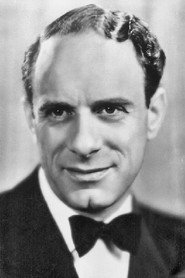
Frequently Asked Questions
What is The Czechoslovaks March On (1944) about?
*The Czechoslovaks March On* captures the off-duty antics and cultural clashes of Czechoslovak soldiers and airmen training with the RAF in Britain during WWII. Through humorous commentary and nostalgic visuals, the film explores their adaptation to British life while holding onto hope for their homeland's liberation.
Who directed The Czechoslovaks March On?
The film was directed by Karel Lamač, a Czech filmmaker known for blending humor with social commentary in his works.
Who stars in The Czechoslovaks March On?
The film features Vic Oliver as the narrator, alongside Czechoslovak soldiers, airmen, and RAF personnel in supporting roles.
Is The Czechoslovaks March On (1944) worth watching?
While it's a short documentary-comedy, *The Czechoslovaks March On* offers a unique and heartfelt perspective on wartime camaraderie and cultural exchange. Its historical charm and light humor make it a rewarding watch for fans of wartime cinema or lesser-known WWII films.
How long is The Czechoslovaks March On?
The film runs for 11 minutes.
About The Czechoslovaks March On (1944) — Wartime Humor and Heart in a 1944 Czechoslovak-British Comedy
Set against the backdrop of World War II, *The Czechoslovaks March On (1944)* offers a lighthearted yet poignant glimpse into the lives of Czechoslovak soldiers and airmen serving in the RAF during their training in Britain. Directed by Karel Lamač, this eleven-minute documentary-comedy mixes humor with heart as it follows these allies navigating the quirks of British culture—from baffling local cuisine to unpredictable weather—all while awaiting the liberation of their homeland. The film contrasts playful moments of cultural mishaps with nostalgic shots of Czechoslovakia's Sokol gymnastics festival in 1938, symbolizing their enduring hope for freedom. Shot in a candid, almost home-movie style, it blends laughter with a subtle wartime tension, making it a fascinating slice-of-life artifact from a pivotal era.
The Czechoslovaks March On stands out as a rare blend of wartime propaganda and genuine camaraderie. Vic Oliver's presence as the narrator adds a charismatic touch, guiding viewers through this charming yet urgent snapshot of resilience. The film's tone is both educational and entertaining, offering a humanizing perspective on the sacrifices made by Czechoslovak forces abroad.