Night Shift 1991
Set in the late 1950s, Valerian Pidpaly's Night Shift (1991) is a poignant drama that explores the complexities of redemption and the human condition.
Director: Valerian Pidpaly
Cast


Frequently Asked Questions
What is Night Shift (1991) about?
The movie follows Afanasy as he returns to his childhood home after serving a twenty-year prison sentence, only to find it occupied by his neighbors.
Who directed Night Shift?
The film was directed by Valerian Pidpaly.
Who stars in Night Shift?
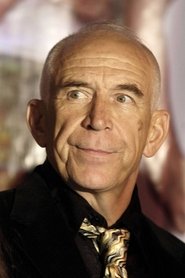
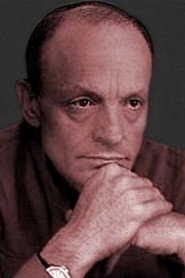
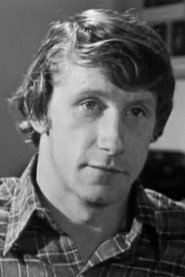
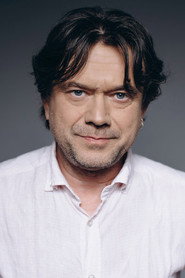
The movie features a talented cast, including Konstantin Lukashov, Natalya Gvozdikova, and Aleksandr Pashutin.
Is Night Shift (1991) worth watching?
While Night Shift (1991) may not be a widely known film, its thought-provoking themes and atmospheric setting make it a must-watch for fans of drama and social commentary.
How long is Night Shift?
The movie has a runtime of 86 minutes.
About Night Shift (1991) — A Haunting Drama of Redemption and Forgiveness
Set in the late 1950s, Valerian Pidpaly's Night Shift (1991) is a poignant drama that explores the complexities of redemption and the human condition. After serving a twenty-year prison sentence for spreading malicious rumors, Afanasy returns to his childhood home, only to find it occupied by his neighbors. As he navigates this new reality, Afanasy must confront the consequences of his past actions and the true meaning of forgiveness.
The film features a talented cast, including Konstantin Lukashov, Natalya Gvozdikova, and Aleksandr Pashutin. With its thought-provoking themes and atmospheric setting, Night Shift (1991) is a must-watch for fans of drama and social commentary. The movie's 86-minute runtime makes it an accessible and engaging watch, perfect for those looking to explore the complexities of the human experience.
Through its nuanced characters and thought-provoking storyline, Night Shift (1991) invites viewers to reflect on the nature of justice, morality, and the power of redemption. As we follow Afanasy's journey, we are forced to confront our own biases and prejudices, and to consider the true cost of our actions.