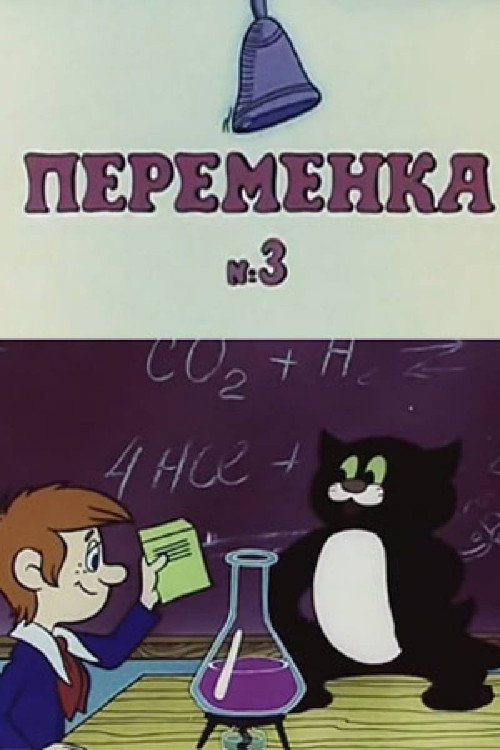
Recess III 1984
Recess III (1984) is a charming Soviet-era animated short that weaves together three whimsical tales, each exploring childhood curiosity and the magic of everyday life through a child's eyes.
Director: Yuriy Kuzyurin
Cast




Frequently Asked Questions
What is Recess III (1984) about?
This Soviet animated anthology follows three short stories that explore childhood curiosity and the unexpected lessons life teaches. From a boy's failed chemistry experiment to a girl's eye-opening view of her family's home, each tale blends humor, warmth, and a touch of social commentary.
Who directed Recess III?
Recess III (1984) was directed by Yuriy Kuzyurin, a filmmaker known for his work in Soviet animation during the 1980s.
Who stars in Recess III?
The film features the voices of Nikolay Grabbe, Svetlana Kharlap, Lyudmila Gnilova, and Vyacheslav Bogachyov, bringing the characters to life with expressive performances.
Is Recess III (1984) worth watching?
As a short animated anthology, Recess III is best suited for fans of vintage animation and nostalgic storytelling. While it's not widely reviewed, its creative themes and Soviet-era charm make it a curiosity worth exploring for animation enthusiasts.
How long is Recess III?
Recess III (1984) has a runtime of 10 minutes.
About Recess III (1984) — A Soviet Animation Classic with Three Heartwarming Short Stories
Recess III (1984) is a charming Soviet-era animated short that weaves together three whimsical tales, each exploring childhood curiosity and the magic of everyday life through a child's eyes. Directed by Yuriy Kuzyurin, this 10-minute anthology dives into themes of innocence, discovery, and the passage of time, wrapped in a nostalgic 1980s aesthetic.
The first segment, "The Alchemist," follows a young boy's misguided attempt to use crude chemistry to erase an entry from his diary—highlighting the hilarious and earnest mistakes of early childhood. "Our House" contrasts the lived-in warmth of a home with the sterile, soulless architecture of a newly built apartment building, seen through the fresh perspective of a little girl. Finally, "The Money Changers" delivers a lighthearted yet pointed critique of materialism, as kids grapple with the concept of value in a world obsessed with objects.