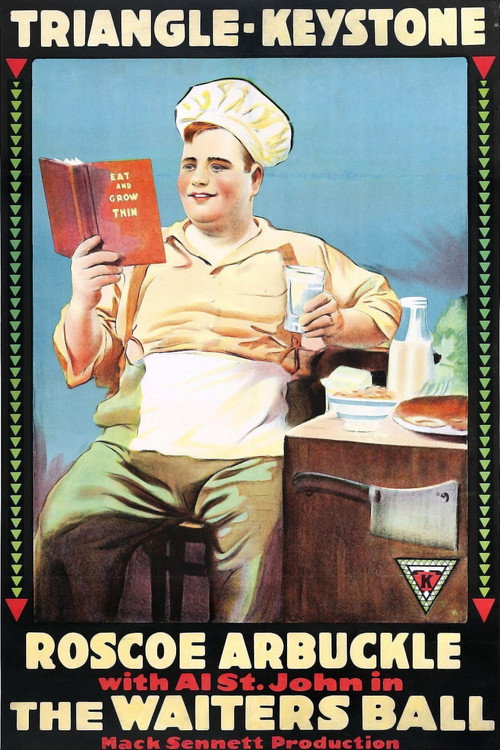
The Waiters' Ball 1916
Silent-era comedy gold from 1916, *The Waiters' Ball* follows the hilarious rivalry between Roscoe "Fatty" Arbuckle and Al St. John as they scramble to impress the same woman—only to hit a snag when formal attire becomes a make-or-break factor.
Director: Roscoe Arbuckle
Cast
Frequently Asked Questions
What is The Waiters' Ball (1916) about?
This 1916 silent comedy centers on Roscoe "Fatty" Arbuckle and Al St. John's rivalry over the same love interest, complicated by a strict dress code requiring formal attire. The tuxedo becomes the ultimate obstacle as the two comedians clash in a series of escalating antics.
Who directed The Waiters' Ball?
Roscoe Arbuckle directed *The Waiters' Ball*, showcasing his knack for slapstick comedy and visual storytelling in the silent era.
Who stars in The Waiters' Ball?
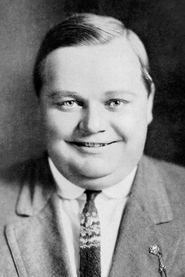
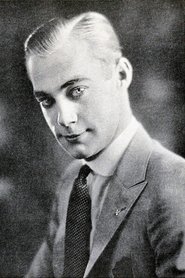
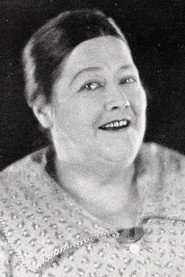
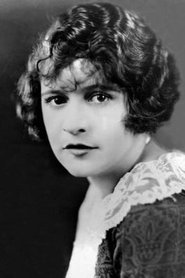
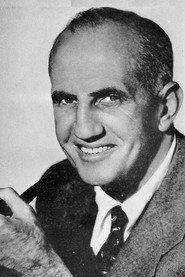
The film stars Roscoe "Fatty" Arbuckle, Al St. John, Corinne Parquet, Joe Bordeaux, and Kate Price in a cast of silent-era comedy legends.
Is The Waiters' Ball (1916) worth watching?
Absolutely—if you love vintage comedy or early cinema. As a silent short film from a master of slapstick like Arbuckle, it's a charming time capsule of 1910s humor. While it's not rated, its 20-minute runtime makes it an easy, entertaining watch for fans of the genre.
How long is The Waiters' Ball?
The Waiters' Ball runs approximately 20 minutes, a standard length for silent-era short films.
About The Waiters' Ball (1916) — Silent Comedy Classic Starring Roscoe Arbuckle
Silent-era comedy gold from 1916, *The Waiters' Ball* follows the hilarious rivalry between Roscoe "Fatty" Arbuckle and Al St. John as they scramble to impress the same woman—only to hit a snag when formal attire becomes a make-or-break factor. Directed by Arbuckle himself, this short film dives into classic slapstick territory, blending chaotic energy with the charm of early cinema's most beloved clowns. The absurd scenario—where a tuxedo becomes the ultimate status symbol—captures the playful desperation of a bygone era, wrapped in the lighthearted innocence of two-dimensional comedies. With sharp timing and visual gags, *The Waiters' Ball* delivers a snapshot of 1910s humor at its finest.
Set against the backdrop of a glamorous ballroom event, the film's core conflict is as simple as it is relatable: love, rivalry, and a strict dress code. Arbuckle and St. John's physical comedy shines through every frame, making this a must-watch for fans of vintage filmmaking. The movie's brisk 20-minute runtime keeps the laughs coming without overstaying its welcome, a testament to the efficiency of silent-era storytelling. Whether you're a history buff or a comedy aficionado, *The Waiters' Ball (1916)* offers a delightful glimpse into the roots of cinematic humor.