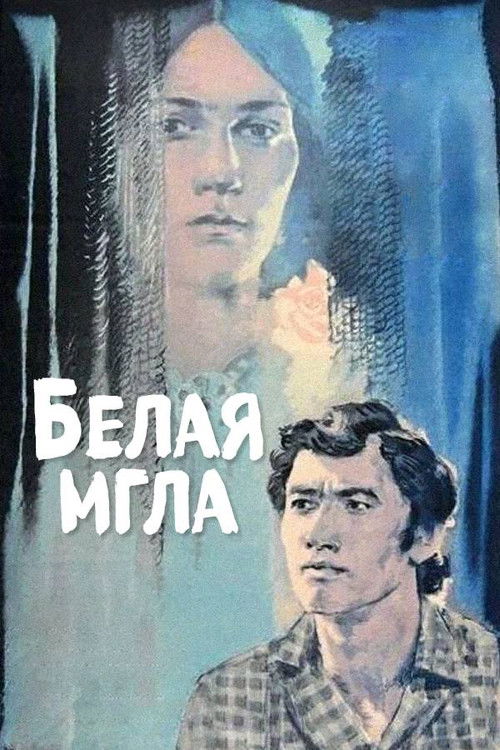
The White Haze 1978
Set against the sun-scorched landscapes of Turkmenistan in the late 1970s, *The White Haze (1978)* unfolds as a poignant romance that captures the clash between tradition and personal desire.
Director: Khodzha Durdy Narliyev
Cast

Frequently Asked Questions
What is *The White Haze (1978)* about?
This Soviet-era romance centers on a star-crossed couple whose love story is upended by family opposition and societal expectations. When Dondi is forced into an arranged marriage after her father denies her an education, she risks everything to find Enver in the city, testing the boundaries of duty and devotion.
Who directed *The White Haze*?
The film was helmed by Khodzha Durdy Narliyev, a celebrated director known for his evocative storytelling and deep connection to Turkmen culture.
Who stars in *The White Haze*?
The film features a talented ensemble led by Enver Annakuliyev, Khommat Mullyk, and Khodzha Kuli Narliyev, with standout performances from Akmurad Byashimov and Eduard Redzhepov.
Is *The White Haze (1978)* worth watching?
As an unrated but culturally rich romance, *The White Haze* offers more than just melodrama—it's a window into Soviet-era societal tensions. While its pacing may feel deliberate by today's standards, its themes of resistance and devotion give it a quiet, enduring power.
How long is *The White Haze*?
The film runs for 87 minutes, a concise runtime that keeps the emotional stakes tight without losing its atmospheric depth.
About The White Haze (1978) — A Forbidden Romance in Soviet Turkmenistan
Set against the sun-scorched landscapes of Turkmenistan in the late 1970s, *The White Haze (1978)* unfolds as a poignant romance that captures the clash between tradition and personal desire. Directed by the visionary Khodzha Durdy Narliyev, the story follows Enver and Dondi, two young lovers whose bond is tested when Dondi's father forbids her from pursuing higher education in the city.
When Enver departs alone, believing their love will endure, fate takes a cruel turn. Dondi is forced into an arranged marriage, leaving her no choice but to defy her family's rigid expectations and embark on a daring journey to reunite with her beloved. Narliyev crafts a visually striking tale of resilience and rebellion, where every frame hums with the tension between societal constraints and the unyielding human spirit.