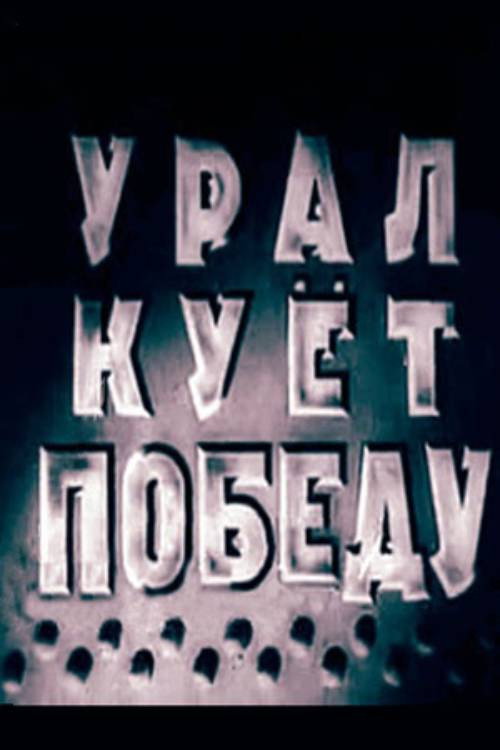
Ural Forges Victory 1943
Ural Forges Victory (1943) dives into the steel-forged resilience of the Ural region during WWII, showcasing how its industrial backbone powered the Soviet war effort against Nazi Germany.
Director: Vladimir Boykov
Cast
Frequently Asked Questions
What is Ural Forges Victory (1943) about?
This documentary explores how the Ural region's industrial enterprises became the lifeblood of the Soviet war effort during WWII. It highlights the factories, workers, and innovations that fueled the fight against Nazi Germany, turning raw materials into weapons and hope.
Who directed Ural Forges Victory?
The film was directed by Vladimir Boykov, a filmmaker whose work in wartime documentaries captured the spirit of Soviet resilience during the conflict.
Who stars in Ural Forges Victory?
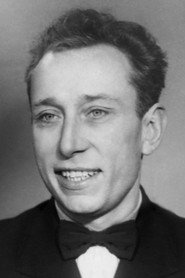
The documentary features Leonid Khmara as a key narrator, with additional contributions from workers, engineers, and archival footage of industrial processes central to the war effort.
Is Ural Forges Victory (1943) worth watching?
For history buffs and fans of wartime documentaries, Ural Forges Victory offers a gripping, if somber, look at an often-overlooked aspect of WWII. Its 43-minute runtime makes it a concise but impactful watch, though it's best suited for those interested in Soviet history or industrial contributions to wartime efforts.
How long is Ural Forges Victory?
The runtime of Ural Forges Victory is 43 minutes.
Ural Forges Victory (1943): The Untold Story of WWII's Industrial Heartland — Full Movie Info
Ural Forges Victory (1943) dives into the steel-forged resilience of the Ural region during WWII, showcasing how its industrial backbone powered the Soviet war effort against Nazi Germany. Directed by Vladimir Boykov, this 43-minute documentary blends stark historical footage with the heroic stories of local factories and workers who turned raw materials into weapons of victory. The film captures the gritty atmosphere of wartime industry, emphasizing themes of sacrifice, innovation, and national unity as ordinary people became the unsung architects of triumph.
Part history lesson and part cinematic tribute, Ural Forges Victory (1943) stands as a testament to the often-overlooked role of industrial hubs in shaping modern conflicts. With Leonid Khmara lending gravitas to the narrative, the documentary immerses viewers in the relentless rhythm of forges and foundries, where every hammer blow echoed the pulse of resistance. A raw, unflinching look at wartime ingenuity, it's a tribute to the people who didn't just witness history—they forged it.