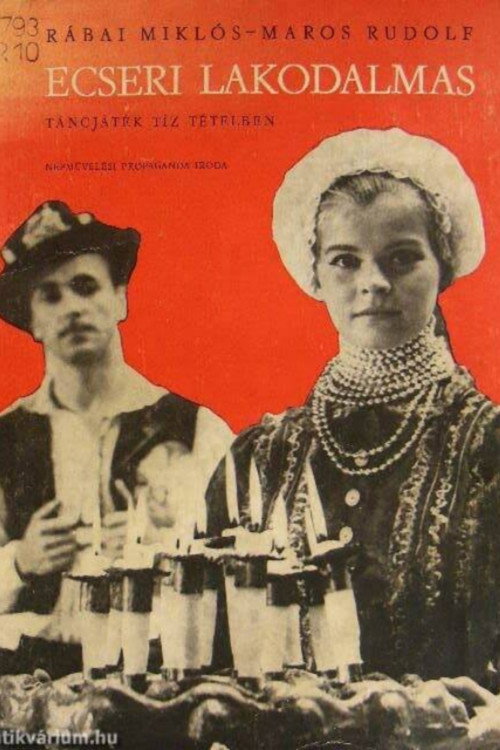
Ecseri Lakodalmas 1953
Step into the vibrant world of mid-20th century Hungary with *Ecseri Lakodalmas* (1953), a captivating 20-minute documentary that captures the energy of traditional folk celebrations.
Director: László Kalmár
Frequently Asked Questions
What is Ecseri Lakodalmas (1953) about?
*Ecseri Lakodalmas* highlights the State Folk Ensemble's electrifying folk dance performances, which became a cultural sensation across Hungary and beyond. The film follows their journey through towns like Ecser and Gyömrő, capturing the raw energy of traditional celebrations.
Who directed Ecseri Lakodalmas?
The film was directed by László Kalmár, a notable figure in Hungarian cinema known for his work in documentary and folk-themed projects.
Who stars in Ecseri Lakodalmas?
Director information is not available.
Is Ecseri Lakodalmas (1953) worth watching?
As a 20-minute documentary, *Ecseri Lakodalmas* offers a rare glimpse into Hungarian folk culture, making it a compelling watch for fans of traditional dance and early cinema. While not widely rated, its historical and cultural value shines through its vibrant portrayal of local celebrations.
How long is Ecseri Lakodalmas?
The runtime for *Ecseri Lakodalmas* is 20 minutes.
About Ecseri Lakodalmas (1953) — Hungary's Folk Dance Tradition in a Classic Short Film
Step into the vibrant world of mid-20th century Hungary with *Ecseri Lakodalmas* (1953), a captivating 20-minute documentary that captures the energy of traditional folk celebrations. Directed by László Kalmár, this short film dives into the lively folk dance performances of the State Folk Ensemble, which dazzled audiences worldwide. Filmed across Ecser, Gyömrő, Dabas, and Budapest, the documentary transports viewers to the heart of Hungarian culture, showcasing the joyous rhythms and communal spirit of these iconic dances.
More than just a visual record, *Ecseri Lakodalmas* embodies the essence of Hungarian heritage, blending music and movement into a seamless celebration of tradition. The film's crisp cinematography and infectious energy make it a must-see for anyone interested in folk art or early documentary filmmaking. Whether you're a history buff or a fan of cultural cinema, this short film offers a glimpse into a bygone era of artistic expression.