Tommy chez le dentiste 1911
Step into the world of early cinema with *Tommy chez le dentiste* (1911), a short silent film that showcases the charm and whimsy of 1910s French slapstick comedy.
Cast
Frequently Asked Questions
What is Tommy chez le dentiste (1911) about?
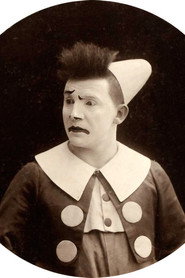
This short silent film follows the antics of a young boy, Tommy Footit, as he navigates the chaos of a dentist's visit. The humor stems from his playful resistance and the exaggerated reactions of the adults around him, typical of early slapstick comedy.
Who directed Tommy chez le dentiste?
Director information is not available.
Who stars in Tommy chez le dentiste?
The film stars Tommy Footit, a French entertainer celebrated for his physical comedy and stage presence during the early 1900s.
Is Tommy chez le dentiste (1911) worth watching?
While modern audiences may find its simplicity quaint, *Tommy chez le dentiste* offers a fascinating peek into the origins of silent cinema. Its historical value and Footit's energetic performance make it a charming watch for fans of early film history.
How long is Tommy chez le dentiste?
Runtime details are not listed.
About Tommy chez le dentiste (1911) — Early Silent Film Comedy with Tommy Footit
Step into the world of early cinema with *Tommy chez le dentiste* (1911), a short silent film that showcases the charm and whimsy of 1910s French slapstick comedy. Directed by an unknown filmmaker during the dawn of motion pictures, this one-reel gem features Tommy Footit, a stage and screen performer known for his physical comedy and mischievous antics. While genre details are scarce, the film likely blends humor with lighthearted chaos, capturing the innocent yet chaotic energy of a child's visit to the dentist. The atmosphere is playful and fast-paced, with Footit's expressive performance driving the narrative, offering a glimpse into the humor and spectacle of early 20th-century filmmaking.
As one of the earliest known appearances of Tommy Footit on film, *Tommy chez le dentiste* stands as a nostalgic time capsule, preserving the raw, unfiltered energy of silent cinema. Though lacking in plot depth by modern standards, its historical significance lies in its role as a bridge between vaudeville traditions and the emerging language of cinema. The film's enduring appeal comes from Footit's infectious enthusiasm and the sheer novelty of seeing a child's misadventures unfold in motion for the very first time.