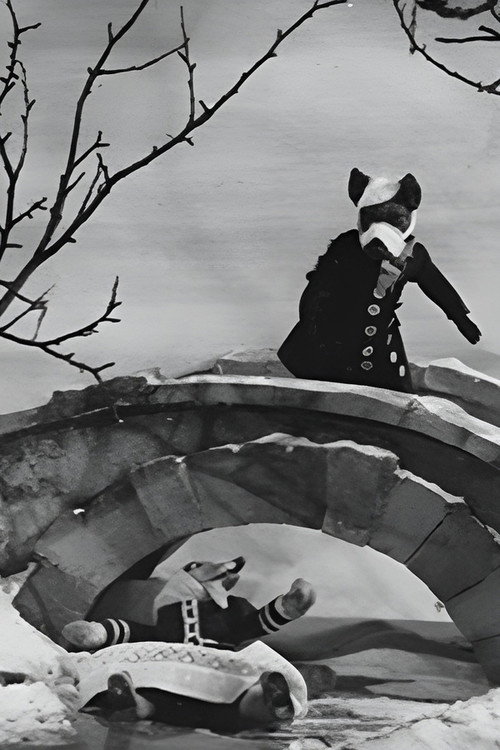
Wjelk a Liška 1951
Wjelk a Liška (1951) marks a historic moment as East Germany's pioneering puppet animation, crafted with hand-stitched charm and folkloric warmth.
Director: Johannes Hempel
Frequently Asked Questions
What is Wjelk a Liška (1951) about?
This East German puppet animation brings to life the timeless tale of Wjelk, a cunning fox, and Liška, a clever vixen, whose daily quarrels become a heartwarming journey of friendship and understanding. Their playful rivalry turns into a lesson on cooperation, all wrapped in rustic charm.
Who directed Wjelk a Liška?
Wjelk a Liška was directed by Johannes Hempel, a pioneer of GDR animation whose work helped shape the region's early film culture.
Who stars in Wjelk a Liška?
Director Johannes Hempel's cast is led by the titular animal duo—Wjelk the fox and Liška the vixen—brought to life through intricate puppet animation techniques.
Is Wjelk a Liška (1951) worth watching?
As a rare artifact of GDR animation history, Wjelk a Liška offers more than nostalgia—it's a delightful showcase of puppet craftsmanship and a charming fable with broad appeal. While it may lack modern CGI spectacle, its handmade magic makes it a rewarding watch for animation enthusiasts and folklore lovers.
How long is Wjelk a Liška?
Runtime details are not listed.
About Wjelk a Liška (1951) — Germany's First Puppet Animation Classic
Wjelk a Liška (1951) marks a historic moment as East Germany's pioneering puppet animation, crafted with hand-stitched charm and folkloric warmth. Directed by Johannes Hempel, this short animated gem reimagines the classic Sorbian tale of two unlikely animal companions whose clashing personalities spark laughter and gentle life lessons.
The story follows Wjelk (a fox) and Liška (a vixen), pairing opposites in a visually rich world where soft marionettes come to life under Hempel's delicate direction. Their playful quarrels unfold against rustic backdrops, weaving themes of friendship, compromise, and cultural identity into a timeless narrative. Though made in the GDR's early years, its universal appeal bridges language and time, offering a cozy, nostalgic escape into puppet cinema at its finest.