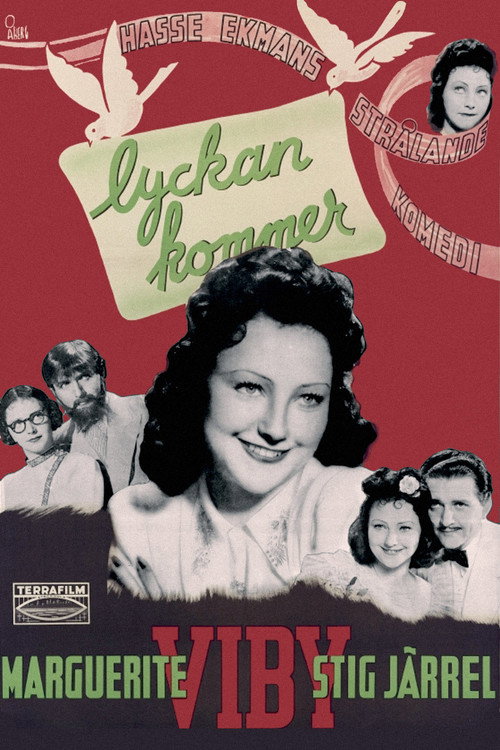
Happiness Is on Its Way 1942
Directed by the witty Hasse Ekman, *Happiness Is on Its Way* (1942) is a sparkling Swedish comedy musical that blends humor with a touch of social satire.
Director: Hasse Ekman
Cast



Frequently Asked Questions
What is *Happiness Is on Its Way* (1942) about?
The film chronicles the downfall of a once-happy married couple whose life spirals after Georg becomes a successful painter. Forced by their lawyer to live frugally to save their marriage, they end up homeless when the lawyer embezzles their money. It's a biting yet heartfelt tale of priorities and second chances.
Who directed *Happiness Is on Its Way*?
Hasse Ekman helmed this 1942 Swedish comedy classic, known for his sharp wit and versatile filmmaking across genres.
Who stars in *Happiness Is on Its Way*?
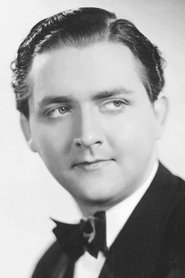
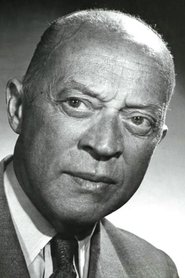
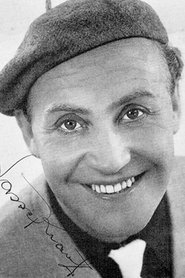
The film features Stig Järrel, Marguerite Viby, Carl Reinholdz, Dagmar Olsson, and Georg Funkquist in pivotal roles.
Is *Happiness Is on Its Way* (1942) worth watching?
With its blend of comedy, music, and social commentary, it's a charming time capsule for fans of classic Scandinavian cinema. The film's themes and Ekman's direction make it a delightful watch, especially for those who enjoy lighthearted yet thought-provoking stories.
How long is *Happiness Is on Its Way*?
The runtime is 102 minutes, or just over 1 hour and 42 minutes.
About Happiness Is on Its Way (1942) — When wealth strips away the real joys of life
Directed by the witty Hasse Ekman, *Happiness Is on Its Way* (1942) is a sparkling Swedish comedy musical that blends humor with a touch of social satire. The film follows the Hedbergs—once content in their modest life—who unravel as Georg's newfound success as a painter brings financial abundance and Monika's lavish spending replaces their earlier joy with tension. Their attempt to rekindle happiness by downsizing to a humble apartment takes an unexpected turn when their divorce lawyer absconds with their savings, leaving the couple stranded and forced to confront the true meaning of wealth.
Ekman's sharp direction infuses the story with playful energy, while the musical numbers and comedic timing capture the absurdity of chasing status over simple pleasures. Themes of marital discord, economic disparity, and rediscovery unfold against a backdrop of wartime Sweden, where material comforts often come at a cost far greater than money.